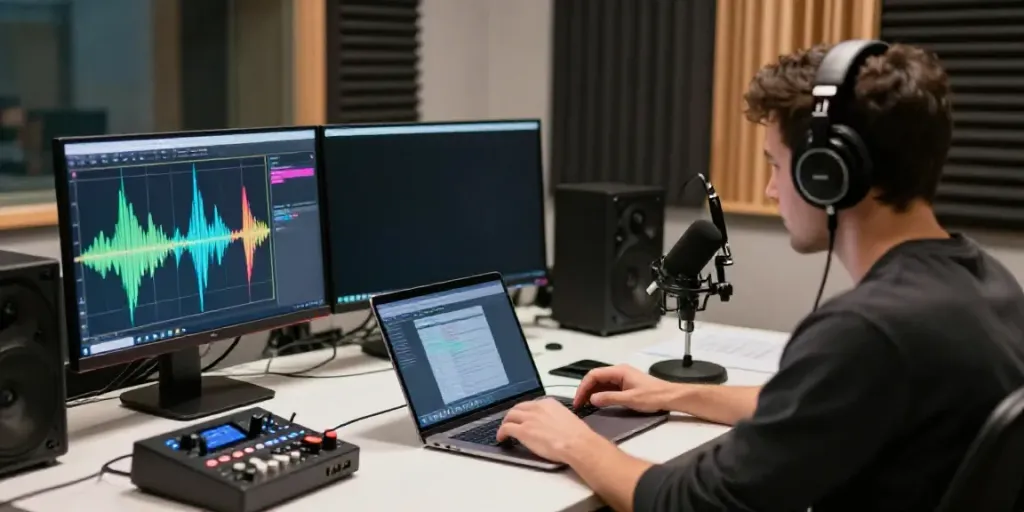
Understanding AI Podcast Transcription
In today's digital landscape, the ability to convert audio content into text has become increasingly valuable, particularly for podcasters and content creators. With the growth of podcasts, the demand for accurate and efficient transcription methods has skyrocketed. AI podcast transcription tools offer a solution, utilizing advanced algorithms to provide quick and precise transcripts that can enhance accessibility, SEO, and overall engagement with content. When exploring options, AI podcast transcription solutions can significantly streamline workflows, making it easier for creators to focus on producing high-quality content while the technology handles the heavy lifting.
What is AI Podcast Transcription?
AI podcast transcription refers to the process of converting spoken content from podcasts into written text using artificial intelligence technologies. Unlike traditional transcription methods, which often require human transcribers, AI-driven solutions leverage machine learning algorithms to automatically transcribe audio. This not only accelerates the transcription process but also reduces costs associated with manual labor.
The output of these AI tools is typically a text file that reflects the spoken content, including timestamps and speaker identification, depending on the sophistication of the software. This can be a game-changer for podcasters looking to make their content more accessible and searchable.
How AI Transcribes Audio to Text
The transcription process begins with audio input, which can be either live-streamed or pre-recorded content. AI transcription tools utilize a combination of natural language processing (NLP) and speech recognition technologies to analyze the audio. Here's a breakdown of the steps involved:
- Audio Processing: The audio is broken down into manageable segments, allowing the AI to focus on smaller portions of speech, which improves accuracy.
- Speech Recognition: The AI employs algorithms to recognize and convert spoken words into text, identifying different speakers if multiple voices are present.
- Text Generation: The recognized speech is then compiled into a coherent text format, often including punctuation and formatting for readability.
- Review and Editing: Many AI tools allow users to review and edit the generated text to correct any inaccuracies, ensuring the final transcript meets quality standards.
Benefits of Using AI for Podcast Transcription
There are numerous advantages to using AI for podcast transcription, including:
- Speed: AI transcribers can process audio files in real-time or faster, enabling podcasters to receive transcripts almost instantly.
- Cost-Effectiveness: Utilizing AI transcription can significantly lower costs compared to hiring professional transcribers, especially for lengthy episodes.
- Improved Accessibility: Transcripts make audio content accessible to a wider audience, including those with hearing disabilities or those who prefer reading over listening.
- SEO Benefits: By providing written versions of podcasts, creators can enhance their visibility on search engines, driving organic traffic to their content.
- Content Repurposing: Transcripts can be used to create blogs, social media posts, and other forms of content, maximizing the value of each episode.
Choosing the Right AI Transcription Tool
With a plethora of AI transcription tools available, selecting the right one for your needs can be a daunting task. Factors such as accuracy, ease of use, and price should guide your decision-making process.
Top Features to Look For in Transcription Software
When evaluating AI transcription tools, consider the following features:
- Accuracy: Look for solutions that offer high accuracy rates, ideally above 90%, to ensure your transcripts reflect the spoken content accurately.
- Real-Time Transcription: If you often produce live content, opt for tools that provide real-time transcription capabilities.
- Speaker Identification: Advanced tools can differentiate between multiple speakers, which is essential for multi-host podcasts.
- Editing Capabilities: Choose a tool that includes an editor for refining transcripts post-generation, allowing for seamless corrections.
- Integration Options: Ensure the transcription software can integrate with your existing tools, such as editing software or content management systems.
Comparative Analysis of Popular AI Transcription Tools
Here, we compare a few leading AI transcription tools based on key features and user ratings:
- Otter.ai: Known for its real-time transcription capabilities and collaborative features, Otter.ai is ideal for both personal and professional use.
- Descript: This tool offers a unique blend of transcription and audio editing, making it perfect for podcasters who want to edit their content directly from the transcript.
- Swell AI: With a focus on high accuracy and the ability to handle various accents, Swell AI is revered for its user-friendly interface.
- Rev: Although slightly more expensive, Rev combines human oversight with AI, providing an accuracy guarantee that many users trust.
User Reviews and Case Studies
Understanding user experiences can provide valuable insight into a tool's strengths and weaknesses. For example, users of Otter.ai often praise its ease of use and the accuracy of transcriptions, particularly for business meetings and podcasts. Conversely, some reviewers of automated tools express frustration with speaker differentiation, highlighting the importance of selecting a tool that fits your specific needs.
Case studies from podcasters show that integrating AI transcription has led to a significant increase in audience engagement and expanded reach, as transcripts allow for content sharing across multiple channels, including social media and blogs.
Implementing AI Transcription in Your Workflow
To maximize the benefits of AI transcription, it's essential to integrate these tools effectively into your existing workflow.
Step-by-Step Guide to Set Up Your Transcription Process
Here’s a simple guide to establishing your AI transcription workflow:
- Select Your Tool: Evaluate the features and pricing of various AI transcription tools and choose one that meets your needs.
- Record Your Audio: Ensure high-quality audio recordings to improve transcription accuracy. Using a good microphone can significantly help.
- Upload Your Audio: Import your recordings into the transcription software and initiate the transcription process.
- Review/Edit the Transcript: Once the transcript is generated, review and edit it for any inaccuracies before publishing.
- Publish or Share: Use the transcript to enhance your podcast’s reach, whether by uploading it to your website or sharing it on social media.
Best Practices for Accurate AI Transcription
To ensure the highest quality transcripts, consider these best practices:
- Clear Audio Quality: Minimize background noise and ensure that speakers are at a reasonable distance from the microphone.
- Structured Dialogue: Encourage speakers to articulate clearly and avoid talking over one another for better recognition.
- Familiarize with Tool Features: Take time to learn the ins and outs of your chosen transcription tool to maximize its features.
Common Mistakes to Avoid When Using AI Tools
While AI transcription can be remarkably effective, avoid these common pitfalls:
- Neglecting Quality Control: Always review the transcription for errors; never rely solely on AI for accuracy.
- Choosing the Wrong Tool: Failing to match the tool's capabilities with your specific needs can lead to subpar results.
- Ignoring Legal Considerations: Be aware of copyright issues when transcribing third-party content.
Enhancing Transcripts for SEO and Engagement
Transcripts can serve as powerful tools for improving SEO and driving engagement with your podcast's content.
Optimizing Transcripts with Keywords and Phrasing
Incorporate relevant keywords and phrases throughout your transcripts to enhance search engine optimization. Focus on long-tail keywords that potential listeners might use to search for content similar to yours. This strategy can significantly improve your content’s visibility online.
Utilizing Transcripts for Enhanced Content Strategy
Transcripts can be repurposed into blog posts, social media snippets, and even video captions, creating a multi-faceted content strategy that leverages your audio content across various platforms. This not only increases accessibility but can also amplify your reach.
Case Studies: Successful Podcast Transcription Integration
Several podcasters have successfully integrated AI transcription into their content strategy, leading to increased engagement and audience growth. For instance, a popular health podcast saw a 30% rise in website traffic after posting detailed transcripts of each episode, effectively capturing searches related to their content.
Future Trends in AI Podcast Transcription
As technology evolves, so too will the capabilities of AI transcription tools, shaping the future of podcasting and content creation.
Emerging Technologies and Innovations for 2026
Future AI podcast transcription tools are expected to feature enhanced machine learning algorithms, resulting in even higher accuracy rates and faster processing times. Innovations such as real-time translation could also become mainstream, allowing for seamless multilingual content creation.
Impact of AI on Podcast Accessibility and Reach
The continued proliferation of AI transcription tools promises to increase accessibility for many audiences, enabling a broader range of individuals to engage with podcast content. This will likely include greater support for various languages and dialects, expanding podcast reach globally.
Industry Expert Predictions for the Coming Years
Experts foresee a significant shift towards fully automated production workflows, where podcasts are not only transcribed but also edited and published by AI. This evolution will require content creators to adapt their skills but will ultimately lead to more efficient production processes.
Can AI Transcription Tools Replace Human Transcribers?
While AI transcription tools offer impressive capabilities, the need for human oversight will likely remain essential, particularly for nuanced content that requires contextual understanding. However, AI can complement human efforts, allowing professionals to focus on higher-level tasks.
How to Stay Ahead of the AI Transcription Curve?
To stay ahead in the fast-evolving world of AI transcription, content creators should continually explore emerging technologies, invest in training for new tools, and adapt their workflows to leverage AI effectively. This proactive approach will ensure they remain competitive in a crowded market.