Understanding Bed Bugs and Their Impact
What Are Bed Bugs?
Bed bugs are small, parasitic insects that feed exclusively on blood. They are typically reddish-brown in color, wingless, and can grow to about the size of an apple seed, around 5 to 7 millimeters in length. These nocturnal pests are primarily active at night, making them particularly troublesome for individuals who are attempting to sleep. Bed bugs reproduce quickly; a female can lay up to 500 eggs in her lifetime, leading to severe infestations if not treated promptly. For anyone who suspects a bed bug presence, learning about effective bed bug treatment is essential.
Signs of Bed Bug Infestation
Identifying a bed bug infestation early can save you time, stress, and money. Common signs of an infestation include:
- Visible bed bugs: Adult bed bugs are often found in the seams of mattresses, box springs, headboards, and bed frames.
- Exoskeletons: As bed bugs grow, they molt, leaving behind empty skins that serve as indicators of their presence.
- Fecal stains: Dark spots on sheets, mattresses, or surrounding furniture may be a sign of bed bug droppings.
- Bites: Although not everyone reacts to bed bug bites, red, itchy welts on the skin can be an indicator of an infestation.
Health Risks Associated with Bed Bugs
While bed bugs are not known to transmit diseases, their bites can lead to various health issues. Common reactions to bites include:
- Itching: Caused by allergic reactions to bites, excessive scratching may lead to secondary infections.
- Sleep disturbances: The anxiety over bed bug bites can result in insomnia and emotional distress.
- Skin infections: Bacteria can enter the skin through scratched areas, leading to more severe complications.
Preparing for Bed Bug Treatment
Initial Steps Before Treatment
Preparation is key to successfully eliminating bed bugs. Before any treatment begins, homeowners should take the following steps:
- Declutter: Remove excess items from the area, which can give bed bugs more hiding spots.
- Wash and dry bedding: Hot washing and drying kills bed bugs in various life stages.
- Vacuum thoroughly: Using a vacuum equipped with a HEPA filter to clean floors, carpets, and furniture will help remove visible bugs and eggs.
Creating a Treatment Plan
A clear treatment strategy should include:
- Assessment of the severity of the infestation: Professional help may be required for larger infestations.
- Choosing the right treatment method: Evaluate professional extermination versus DIY methods.
- Scheduling follow-ups: Consistent monitoring and additional treatments may be necessary.
Common Misconceptions About Treatment
Several myths can impede effective bed bug control:
- Baking soda is a successful treatment: Baking soda may absorb moisture but does not kill bed bugs effectively.
- Heat treatment is harmful to furniture: Many materials can withstand proper heat treatments, which are highly effective in extermination.
- Essential oils can replace professional treatments: While they may repel bugs, essential oils usually do not eliminate infestations.
Types of Bed Bug Treatment Available
Chemical Treatments: What You Need to Know
Chemical treatments often include insecticides that can be effective against bed bugs. Important considerations include:
- Active ingredients: Look for pyrethroids or neonicotinoids, but note that some bed bugs have developed resistance.
- Application: Proper application following manufacturer instructions is crucial to effectiveness.
- Safety: Always consider the safety of pets and children when using chemical treatments.
Heat Treatment: Pros and Cons
Heat treatment involves raising the temperature in infested areas to levels lethal to bed bugs. Pros include:
- Effectiveness: Heat kills bed bugs at all life stages, including eggs.
- Non-toxic: No harmful chemicals are introduced into your home.
However, cons may include:
- Risk of damage: High temperatures can potentially damage electronics and sensitive materials.
- Cost: Heat treatments can be more expensive than other methods.
Homemade Remedies for Bed Bugs
Many people seek natural solutions for bed bug treatment, though effectiveness varies. Common homemade remedies include:
- Diatomaceous earth: This powder can help eliminate bugs by dehydrating them.
- Essential oils: While they may repel bed bugs, they often don't eliminate infestations.
Executing Your Bed Bug Treatment
Professional vs. DIY Treatment
Homeowners often face the decision of pursuing professional extermination or attempting DIY treatments:
- Professional treatment guarantees a systematic approach and experienced handling of infestations.
- DIY options are cost-effective but can be hit or miss, often extending the problem if not executed properly.
Safety Precautions During Treatment
Safety should be a priority during any bed bug treatment. Recommendations include:
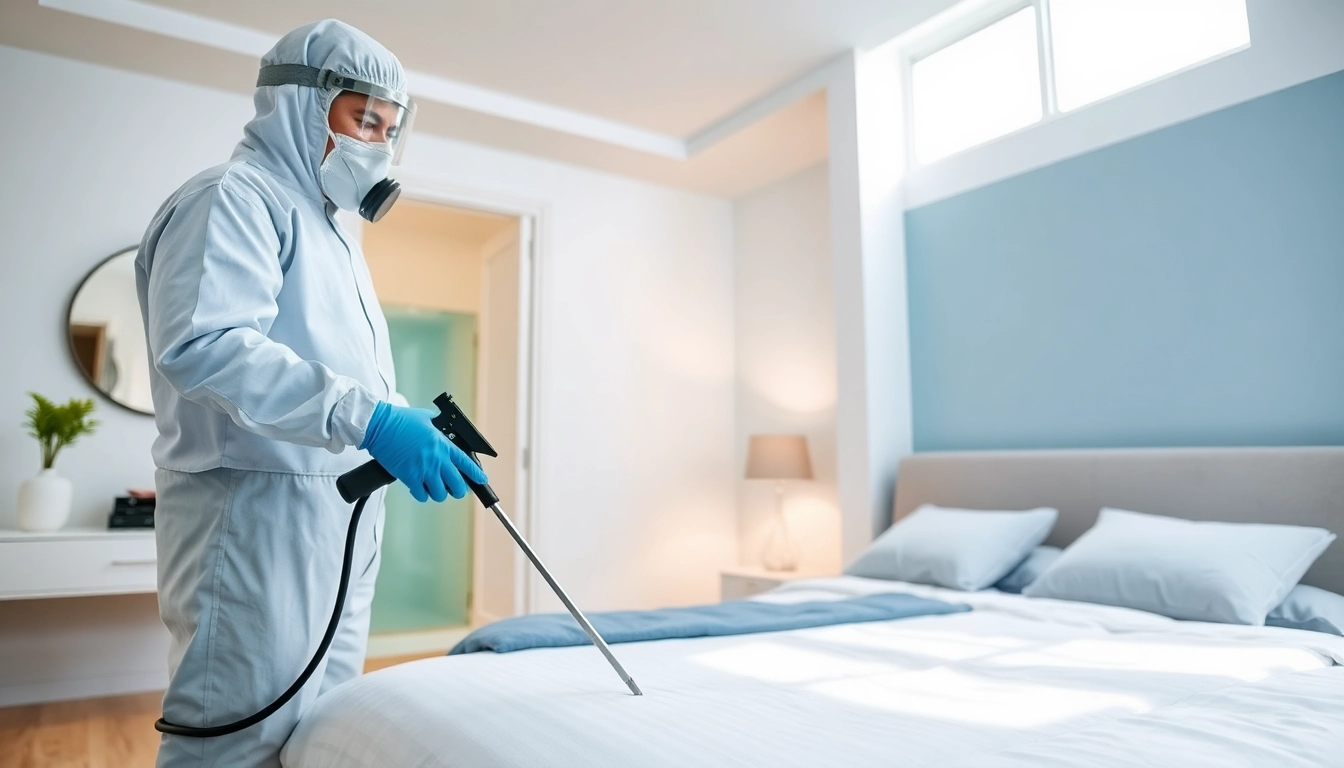
- Use protective gear: Ensure you wear gloves and a mask to limit exposure to chemicals.
- Secure pets: Keep pets away from treated areas until it’s safe to return.
- Follow product instructions: Adhering strictly to usage guidelines prevents accidents and maximizes effectiveness.
Monitoring and Follow-up After Treatment
Effective bed bug treatment doesn’t end after the initial application. Continued vigilance is essential:
- Regular inspections: Look for signs of bed bugs periodically, focusing on common hiding spots.
- Reapply treatments as needed: Depending on the severity, further treatments may be necessary.
- Educate household members: Helping others recognize bed bugs can prevent future outbreaks.
FAQs About Bed Bug Treatment
How do you get rid of bed bugs quickly?
Immediate actions include vacuuming thoroughly, washing linens in hot water, and using insecticides specifically designed for bed bugs.
What kills bed bugs instantly?
Contact insecticides with pyrethroids can kill bed bugs on contact, but ensure you follow safety guidelines.
Are bed bug treatments safe for pets?
Some treatments can be hazardous to pets. Always check labels for safety and consult professionals for pet-friendly options.
How often should bed bug treatment be repeated?
Re-treatments may be necessary every 10-14 days until the infestation is fully resolved, depending on the severity.
Can I treat bed bugs myself instead of hiring a professional?
DIY treatments can be effective for minor infestations but may not eliminate a larger problem. Consulting professionals can ensure complete eradication.