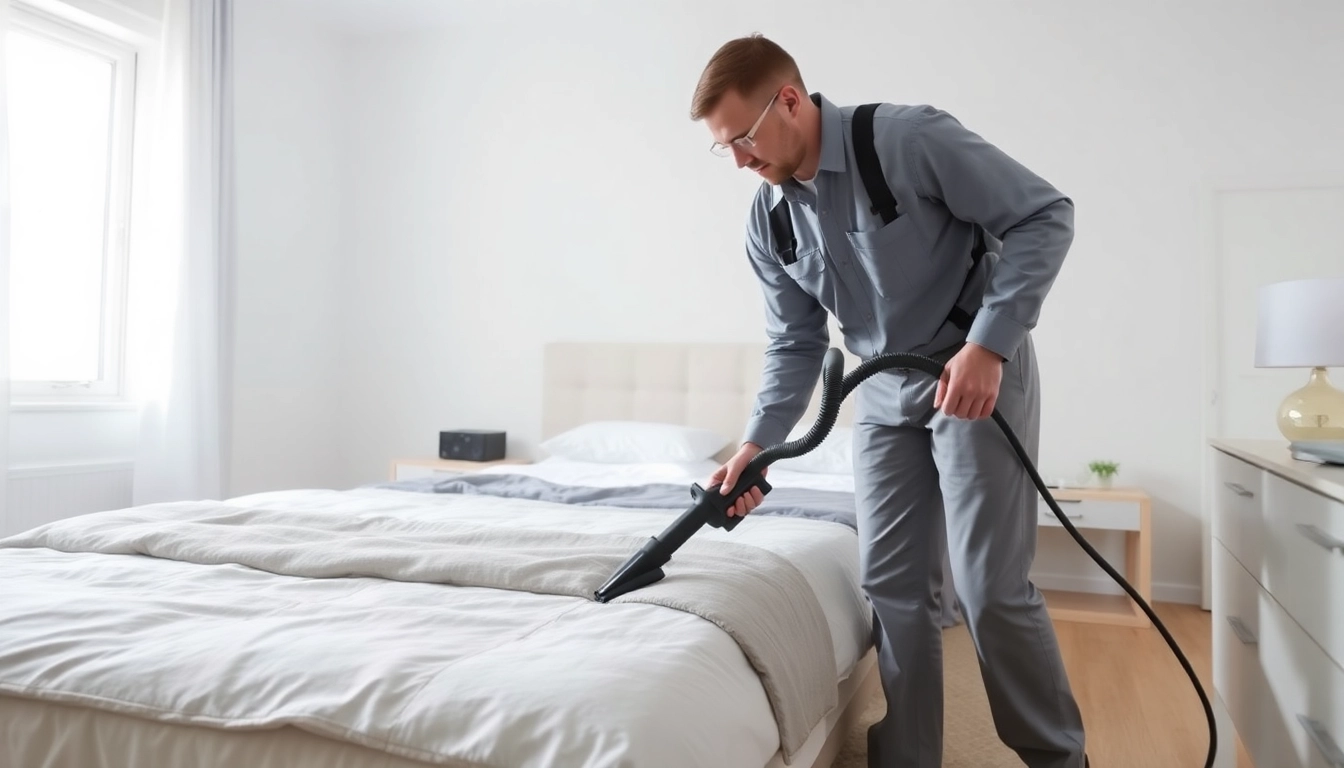
Understanding Bed Bug Infestations
Bed bugs are small, parasitic insects that feed primarily on human blood. These pests are notorious for their ability to infiltrate homes, hotels, and other establishments, often leading to significant distress and discomfort. Effective bed bug removal is essential not only for personal comfort but also for maintaining hygiene and safety.
Common Signs of Bed Bug Infestation
Recognizing the signs of a bed bug infestation early can save time and money. Here are some common indicators:
- Bitten Skin: Small, itchy welts or rashes that appear in a line or cluster can indicate bed bug bites.
- Blood Stains: Small red or brown spots on sheets, pajamas, or upholstery are often signs of bed bug feeding.
- Shed Skins: Bed bugs molt as they grow; discarded shells can be found in hiding spots.
- Excrement: Dark spots on fabric or furniture, which consist of digested blood, indicate active bed bugs.
- Live Bugs: Adult bed bugs are about the size of an apple seed and are reddish-brown in color.
Life Cycle of Bed Bugs
The bed bug life cycle consists of several stages: egg, nymph, and adult. Here’s a brief overview:
- Eggs: Female bed bugs lay approximately 200-500 eggs over a lifetime, which hatch in about 6 to 10 days.
- Nymphs: Newly hatched bed bugs are nearly transparent and become visible after their first feeding. Nymphs go through five molts before maturing.
- Adults: Fully grown bed bugs are about 5-7 mm long and can live for several months to a year without feeding.
Why Bed Bug Removal is Crucial
Bed bugs are not only a nuisance but can also lead to various health risks. Their bites can cause allergic reactions and secondary infections from scratching. Additionally, the psychological impact of dealing with an infestation can result in anxiety and insomnia. Timely and effective bed bug removal is essential for restoring peace of mind and safety within living spaces.
Preparing for Bed Bug Removal
Initial Steps Before Treatment
Preparation is key in combating bed bugs effectively. Follow these steps:
- Assess the Infestation: Identify all areas of the home that may be affected, including bedrooms, living rooms, and furniture.
- Declutter the Space: Clear any unnecessary items from affected areas to minimize hiding spots and simplify treatment.
- Wash Bedding and Clothing: Items should be washed in hot water and dried on the highest heat setting to kill bugs and eggs.
How to Identify Affected Areas
Careful inspection of areas where bed bugs may hide is vital:
- Bed Frames and Mattresses: Carefully check seams, cracks, and crevices of mattresses and bed frames.
- Furniture: Inspect upholstered furnishings, including couches and chairs, where bed bugs may dwell.
- Baseboards and Wall Cracks: Examine areas where the wall meets the floor, as well as any cracks or gaps in walls.
Creating a Safe Environment
During the removal process, creating a safe environment is essential:
- Isolate Infested Items: Seal infested bedding, clothing, and personal items in plastic bags to prevent spreading.
- Avoid Moving Things: Do not transfer items from infested areas to non-infested areas to minimize the risk of spreading bed bugs.
- Stay Clear: Temporarily relocate during treatment, particularly if using pesticides.
Professional Bed Bug Removal Techniques
Integrated Pest Management Strategies
Integrated Pest Management (IPM) combines biological, physical, and chemical tactics to eliminate bed bugs. Steps include:
- Inspection: A thorough examination of the property to identify infestations and monitor populations.
- Exclusion: Sealing cracks and crevices to prevent re-infestation and applying physical barriers.
- Monitoring: Use of traps and other monitoring devices to assess the effectiveness of treatment methods.
Heat Treatment for Bed Bugs
Heat treatment is an effective approach for eliminating all life stages of bed bugs:
- Temperature Requirement: Exposing bed bugs to temperatures of 120°F (49°C) or higher for at least 90 minutes ensures their destruction.
- Equipment Used: Professional-grade heaters or steamers are often used to achieve the required temperatures.
- Safety Protocols: All people and pets should be removed from the area during heat treatment for safety.
Pesticides and Their Application
When using pesticides as part of a comprehensive treatment plan, consider these points:
- Targeted Application: Pesticides should be applied directly to areas where bed bugs are suspected.
- Follow Instructions: Always adhere to label instructions regarding safety and application rates to maximize effectiveness.
- Combination Treatments: Consider using a combination of methods (heat and pesticides) for the best results.
D.I.Y. Bed Bug Removal Solutions
Home Remedies for Bed Bug Control
While professional treatment is advisable, some home remedies may assist in controlling bed bugs:
- Diatomaceous Earth: This natural substance can kill bed bugs when they come into contact with it.
- Alcohol Sprays: Isopropyl alcohol can kill bed bugs on contact but will not prevent future infestations.
- Essential Oils: Certain oils, such as tea tree or lavender, can deter bed bugs, though efficacy varies.
Tools and Equipment for Effective Treatment
If you decide to tackle the problem yourself, ensure you have the right tools:
- Vacuum Cleaner: A high-efficiency vacuum is critical for removing debris, live bugs, and eggs from surfaces.
- Steam Cleaner: High-temperature steam can kill bed bugs and their eggs on contact.
- Encasements: Mattress and pillow encasements can trap bugs and prevent re-infestation.
Limitations of D.I.Y. Approaches
While D.I.Y. methods can be effective to some extent, they often have limitations:
- Incompleteness: Most home remedies do not eliminate the entire infestation and may allow bed bugs to return.
- Time-Consuming: D.I.Y. efforts can take significant time and may produce subpar results compared to professionals.
- Health Risks: Misuse of chemicals or improper techniques can lead to health hazards or damage to property.
Post-Removal Best Practices
Preventing Future Infestations
Once the bed bugs are eliminated, prevention is key to maintaining a bug-free environment:
- Regular Inspections: Routinely check sleeping areas and furniture to catch any potential bugs early.
- Travel Precautions: Inspect and treat luggage and clothing after traveling to limit bringing bed bugs home.
- Decluttering: Maintain a tidy environment to minimize hiding spots for bed bugs.
Follow-Up Treatments and Inspections
Conducting follow-up treatments can be vital to ensure complete eradication:
- Post-Treatment Inspections: Engage pest control professionals for follow-up inspections to confirm efficacy.
- Regular Monitoring: Use monitoring traps in bedrooms and common areas to identify any resurgence early.
- Retreatment Plans: Discuss with pest control providers about a retreatment schedule if necessary.
When to Consult a Professional
If D.I.Y. methods fail or if the infestation is severe, it’s time to consult professionals:
- Extensive Infestation: If multiple areas are affected and you're struggling to manage it.
- Unsuccessful D.I.Y. Attempts: If home solutions have not worked effectively.
- Seeking Peace of Mind: If you prefer professional assurance in eradication and prevention.
Frequently Asked Questions (FAQs)
What are the signs of a bed bug infestation?
Common signs include itchy bites, small blood spots on bedding, shed skins, and seeing live bugs in seams of mattresses.
How can I prepare for bed bug removal?
Declutter your space, wash bedding in hot water, and isolate infested items before a professional treatment.
Is heat treatment effective for bed bugs?
Yes, heat treatment can be highly effective, killing bugs and eggs when exposed to temperatures above 120°F.
Can I get rid of bed bugs myself?
While D.I.Y. methods exist, they may not be comprehensive and might lead to recurring infestations.
How can I prevent future infestations?
Regular inspections, maintaining a tidy environment, and being cautious when traveling can help prevent bed bug re-infestation.