Understanding Fine Motor Skills in Children
What are Fine Motor Skills?
Fine motor skills refer to the coordination of small muscles in the hands, fingers, and wrists. These skills are essential for performing tasks that require precision, such as writing, drawing, and manipulating small objects. Fine motor development typically occurs incrementally as children grow, starting from basic grasping movements in infancy to more complex actions like using scissors and tying shoelaces. The progression of fine motor skills is influenced by a child's genetics, environment, and overall physical development.
Importance of Fine Motor Skills Development
The development of fine motor skills is crucial for children's daily functioning and learning. These skills impact their ability to perform essential tasks independently, such as eating, dressing, and self-care. Moreover, fine motor skills are intertwined with cognitive development––as children engage in activities that strengthen these skills, they also enhance their problem-solving abilities, creativity, and logical thinking. Delays in fine motor skill development can lead to learning difficulties or challenges in academic settings, underscoring the importance of nurturing these skills from an early age.
How Screen-Free Play Enhances Motor Skills
Engaging in screen-free play provides children with ample opportunities to refine their fine motor skills. Activities that involve building, crafting, or manipulating physical objects require control and coordination, fostering muscle strength and dexterity. Screen-free toys, such as building blocks or art supplies, allow children to explore their tactile senses while focusing their attention away from screens. This type of play enhances neural pathways related to fine motor skills while also supporting sensory integration and cognitive development. By choosing activities that promote hand-eye coordination and manual dexterity, parents can significantly contribute to their child's growth and learning. For more ideas on screen-free activities, you can visit the website.
Top Screen-Free Toys for Kids
Building Blocks and Construction Sets
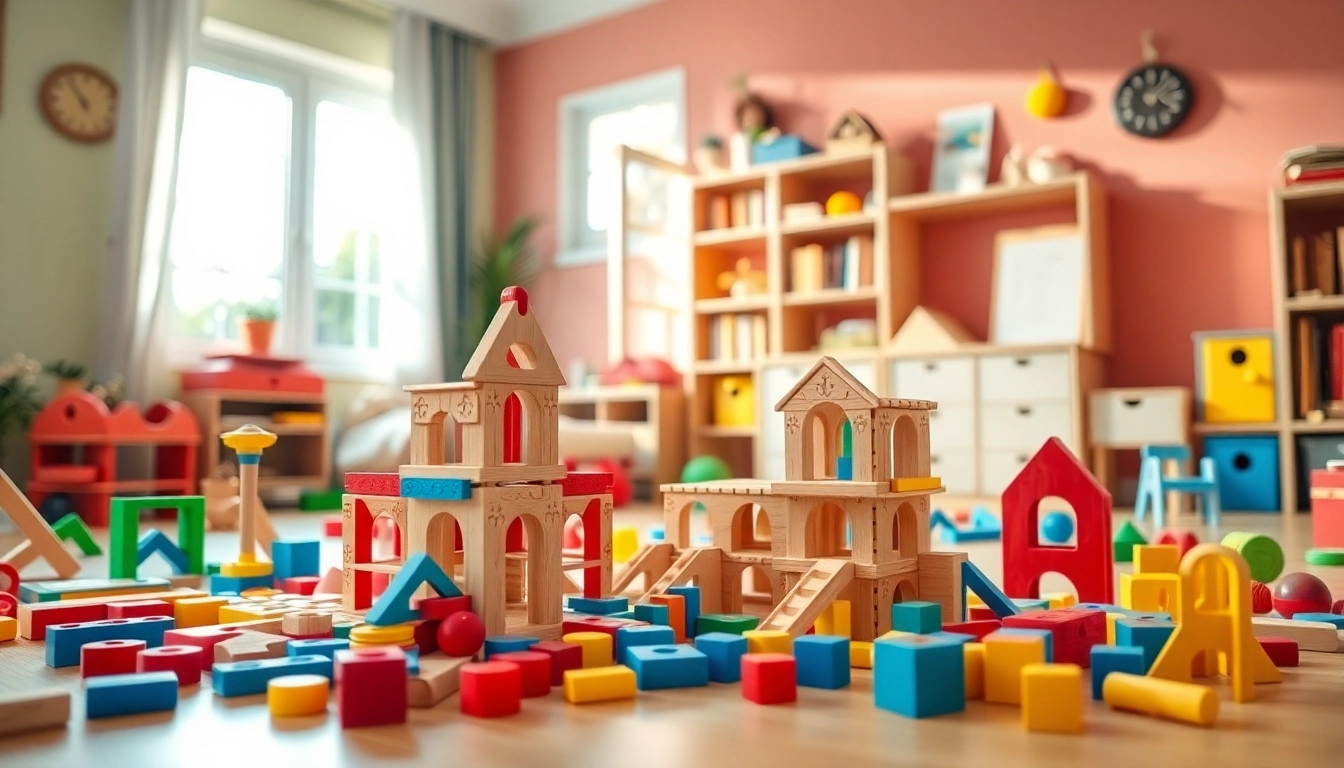
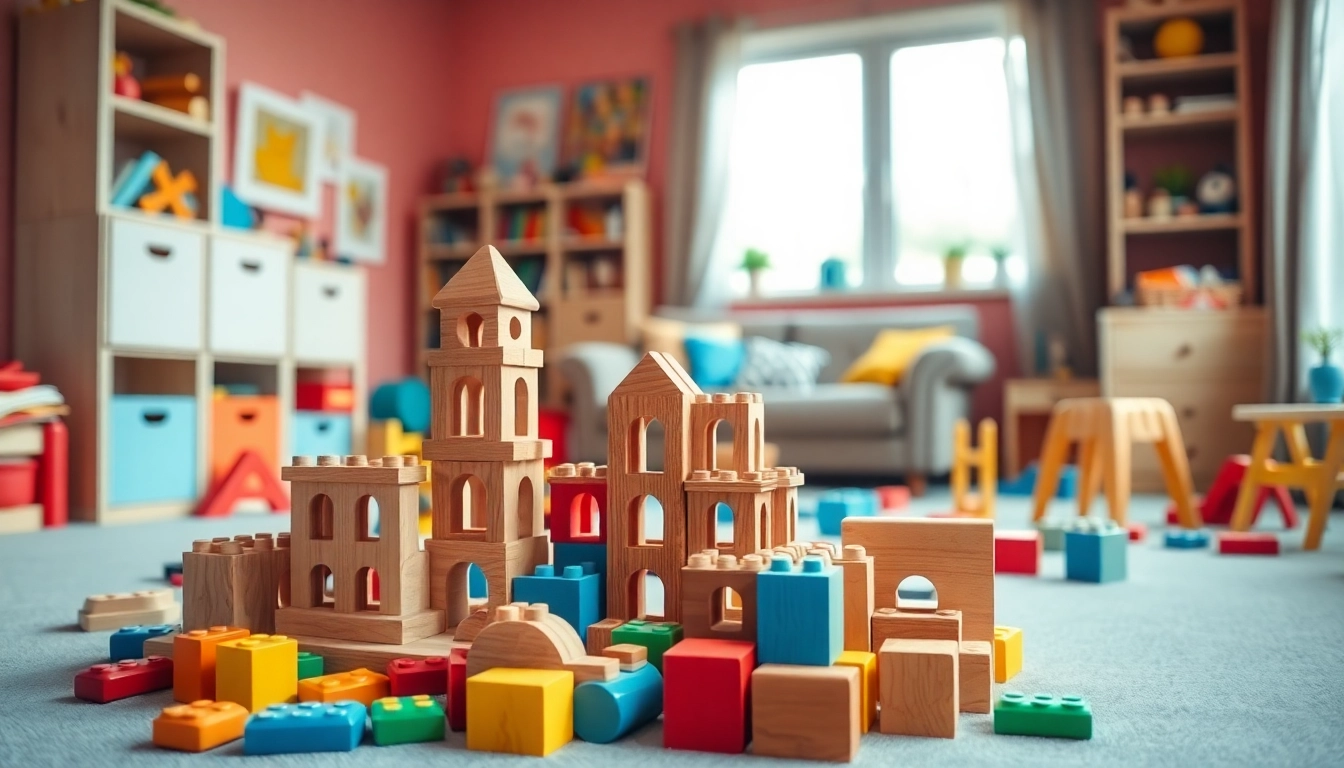
Building blocks and construction sets are timeless toys that not only entertain but also educate. These toys encourage creativity and spatial awareness, requiring children to use their hands for stacking, balancing, and solving structural problems. From classic wooden blocks to intricate LEGO sets, the possibilities are endless. They help children develop hand strength and coordination as they manipulate pieces and create their designs. Moreover, building activities stimulate imaginative play, allowing kids to explore concepts of engineering and architecture.
Arts and Craft Supplies
Art supplies such as crayons, colored pencils, and modeling clay serve as powerful tools for enhancing fine motor skills and creativity. Engaging children in arts and crafts activities encourages them to use their hands in varied ways, from drawing and coloring to sculpting and cutting. These tasks require precision and concentration, helping to develop grip strength and finger control. By indulging in artistic activities, children not only improve their fine motor skills but also express their thoughts and feelings, fostering emotional and cognitive growth.
Puzzles and Problem-Solving Games
Puzzles are excellent toys for developing fine motor skills as they require precise movements and critical thinking. Children learn to manipulate puzzle pieces, fit them together, and explore patterns and sizes, honing their dexterity and problem-solving abilities. Moreover, working on puzzles enhances visual-spatial skills and boosts patience and perseverance. From simple jigsaw puzzles to complex 3D designs, these toys challenge kids and keep them engaged, providing a perfect blend of fun and education.
Creative Play Ideas with Screen-Free Toys
DIY Projects for Enhancing Creativity
DIY (Do It Yourself) projects present endless opportunities for children to engage their creativity while enhancing fine motor skills. Crafting items from recyclable materials, creating homemade toys, or participating in simple sewing projects can stimulate a child’s imagination. These projects require measuring, cutting, gluing, and assembly, all of which involve fine motor coordination. Encouraging DIY activities not only allows children to express themselves but also instills a sense of accomplishment as they see their creations come to life.
Group Activities to Encourage Collaboration
Group activities are vital for developing social skills while also promoting fine motor skills through collaboration. Engaging in team-building exercises, such as constructing a shared project, fosters communication, leadership, and teamwork. Whether building a large structure with blocks or working together on an art piece, kids learn to share responsibilities and ideas, enhancing their interpersonal skills in addition to their fine motor abilities. Such interactions are invaluable for emotional and social development, helping children build confidence in their skills and contributions.
Sensory Bins for Explorative Play
Sensory bins are an innovative way to engage children in exploratory play. By filling bins with various materials—such as rice, beans, or sand—children can scoop, pour, and manipulate objects, significantly enhancing their fine motor skills. Combining different textures, colors, and tools fosters curious learning experiences as children explore how items interact within the bin. Sensory play not only helps in developing fine motor skills but also aids in cognitive development by encouraging observation, problem-solving, and creative thinking.
Benefits of Screen-Free Playtime
Enhancing Social Skills through Interaction
Screen-free play significantly enhances children's social skills by promoting face-to-face interactions. During physical play, children learn to communicate, negotiate, and resolve conflicts, essential skills for building friendships and working with others. Engaging in group play also cultivates empathy, as children learn to understand their peers' feelings and perspectives. This social development lays a strong foundation for emotional intelligence and can lead to healthier relationships throughout life.
Developing Concentration and Focus
Engagement in screen-free play often requires sustained attention and concentration, helping children develop focus over time. When playing with hands-on toys, children immerse themselves in the activity, which can lead to longer periods of engagement compared to screen-based activities. This immersive play promotes attention spans and strengthens cognitive functions, preparing children for more complex tasks in academic settings and everyday life. The ability to concentrate is a vital life skill that extends beyond childhood.
Fostering Imagination and Creativity
Screen-free play is a powerful catalyst for imagination and creativity. Unlike digital platforms that provide pre-set narratives, traditional toys encourage open-ended play, allowing children to invent scenarios, solve problems, and create their own worlds. This freedom nurtures innovative thinking and artistic expression, laying the groundwork for future creative endeavors. Enhancing imagination through play has long-lasting benefits, encouraging children to approach challenges with a creative mindset.
Frequently Asked Questions about Screen-Free Toys
What age group benefits most from screen-free toys?
Children aged 2 to 8 tend to benefit most from screen-free toys as they are in critical stages of fine motor skill development. However, engaging in screen-free play is valuable for all ages, supporting skills like creativity and social interaction.
How can screen-free toys help with focus?
Screen-free toys encourage immersive play, demanding sustained attention. This focus on hands-on activities helps children develop concentration skills necessary for tasks both in school and later in life.
Are there eco-friendly options for screen-free toys?
Yes! Many eco-friendly toys are available, made from sustainable materials like wood, bamboo, or recycled plastics. These options support fine motor skill development while promoting environmental awareness.
How do creative toys foster imagination?
Creative toys promote open-ended play, allowing children to invent scenarios and characters. This flexibility supports imaginative thinking, encouraging self-expression and innovative problem-solving skills.
Can screen-free play prevent tech dependency?
Yes, engaging in screen-free play fosters healthy habits by providing alternatives to screens. It encourages interactive, imaginative, and physically engaging activities that can help reduce reliance on technology.