Understanding Security Camera Analytics
What are Security Camera Analytics?
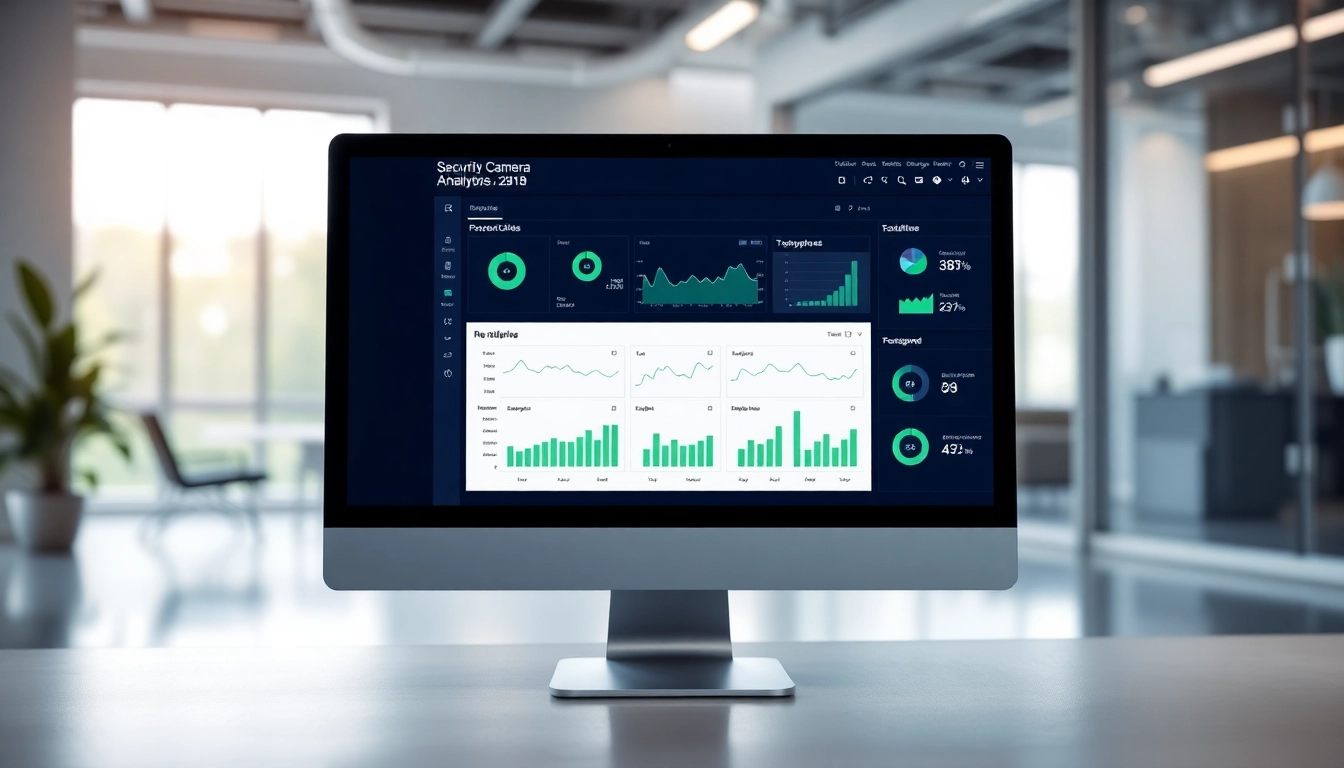
Security camera analytics embodies sophisticated systems designed to harness the power of artificial intelligence (AI) and machine learning (ML) to extract meaningful insights from video footage. These systems analyze recorded or live visual data to detect, track, and classify movements and activities. By applying advanced algorithms, they can identify events that deviate from the norm—such as loitering, unauthorized access, or unusual crowd behavior—thereby enhancing situational awareness. The functionality of these systems transforms traditional video surveillance from a passive tool into a proactive approach to security management, delivering insights that are invaluable in various contexts.
Importance in Modern Surveillance
As security threats evolve, the need for more effective surveillance systems has become paramount. The importance of security camera analytics cannot be overstated; it provides a quicker, more efficient means of security monitoring. Businesses, municipalities, and organizations now depend on these systems to help protect people, property, and assets. By utilizing video analytics, stakeholders can receive real-time alerts about suspicious activities, enabling immediate responses. This capability not only mitigates crimes effectively but also ensures compliance with safety regulations, especially in public spaces such as airports, shopping malls, and schools.
How It Works: Features and Functionality
Security camera analytics relies on a suite of powerful features that enhance video surveillance capabilities. Some key functionalities include:
- Motion Detection: The capability to record when movement is detected within the camera's view, which can be further classified into different types (e.g., people, vehicles, pets).
- Facial Recognition: An advanced feature that uses algorithms to identify and verify individuals, often employed in high-security areas.
- Behavior Analysis: This function analyzes interactions and activities to discern between normal and suspicious behavior patterns.
- Heat Mapping: Provides visual representations of areas with high activity or foot traffic—beneficial in retail environments for understanding customer behavior.
- Integration with Alarm Systems: Seamless compatibility with existing alarm infrastructure to facilitate immediate incident alerts.
These combined functionalities result in an analytical model that empowers organizations and enhances their vigilance in organizational security efforts.
Benefits of Utilizing Security Camera Analytics
Real-Time Incident Detection
The ability to detect incidents in real time is one of the standout advantages of security camera analytics. By leveraging AI-driven insights, security teams can monitor live feeds and be alerted to incidents as they unfold, significantly speeding up response times. For example, if an unauthorized individual enters a restricted area, the system can immediately notify security personnel via push notifications or alarms. This proactive alerting mechanism creates a rapid response environment, minimizing potential damages and improving overall safety.
Operational Efficiency and Cost Savings
Incorporating security analytics into surveillance systems can lead to significant operational efficiency. Automated monitoring reduces the dependency on manual oversight, freeing personnel for other tasks. The transition from merely recording data to analyzing and acting upon it enables organizations to allocate resources more effectively. Furthermore, organizations could realize cost savings through reduced losses from theft and vandalism, while also benefiting from lower insurance premiums due to improved risk profiles.
Data-Driven Security Insights
Data collected from security camera analytics can provide valuable insights beyond basic security concerns. Analytics can uncover patterns in human behavior, enhance risk assessments, and optimize resource allocation. For instance, businesses can analyze foot traffic patterns to determine peak hours or assess the effectiveness of specific marketing strategies while ensuring safety protocols are upheld. The intelligence gained from these analytics empowers decision-makers to make informed, data-driven choices that enhance both security and operational strategies.
Common Applications of Security Camera Analytics
Retail and Customer Insights
In the retail industry, security camera analytics transcends traditional theft prevention; it evolves into a tool for enhancing customer experience. Retailers can deploy heat mapping to visualize customer traffic and adjustments in store layout or product placement based on real-time data. Additionally, behavior analytics can reveal customer interests and preferences, allowing businesses to strategize promotional offers effectively while ensuring a secure shopping environment.
Traffic Monitoring and Management
Municipalities utilize security camera analytics in traffic management to monitor road conditions, assess congestion, and manage the flow of vehicular movement. AI-driven solutions can analyze traffic behavior, providing data that support the optimization of traffic signal patterns, notifying agencies of accidents or hazards, and improving public safety through proactive measures. This integrated approach to traffic analytics leads to smarter city infrastructure management.
Workplace Safety and Compliance
In sensitive environments such as construction sites or manufacturing plants, security camera analytics plays a vital role in ensuring workplace safety. Monitoring compliance with safety regulations becomes seamless through behavior recognition and incident detection capabilities. These systems can automatically flag unsafe practices, alerting managers to take corrective action while also ensuring documentation for compliance verification with local safety standards.
Challenges in Implementing Security Camera Analytics
Data Privacy Concerns
One of the most pressing challenges in implementing security camera analytics is navigating data privacy concerns. Organizations must ensure that data collection and retention practices comply with relevant privacy laws and regulations. Additionally, transparency with stakeholders about what data is collected and how it is used can build trust and mitigate backlash. Innovations such as anonymizing features can also protect personal identities while maximizing the utility of the analytics.
Integration with Existing Systems
Integrating analytics solutions with existing surveillance infrastructure can be complex. System compatibility and ensuring seamless data flow are crucial challenges that must be addressed. A thorough assessment of current security systems and careful planning for integration can help overcome these difficulties. Utilizing interoperable technologies and fostering collaboration with IT and security teams can ensure a smoother transition to enhanced analytics capacities.
Choosing the Right Technology
The plethora of available technologies complicates the selection of the best security camera analytics solutions for specific needs. Organizations need to assess their unique requirements meticulously and prioritize functionalities that align with their objectives. Partnering with experienced consultants or conducting pilot projects can aid organizations in making well-informed technology decisions, preventing costly mistakes in the long run.
Future Trends in Security Camera Analytics
AI and Machine Learning Innovations
The evolution of AI and machine learning is set to dramatically reshape the landscape of security camera analytics. As technology improves, cameras will increasingly utilize augmented analytics that can automate complex processes and provide deeper insights. Advanced learning algorithms will streamline the detection of anomalies in behavior, incessantly learning from new patterns and adapting to evolving threats over time.
Mobile Access and Remote Monitoring
Mobile and remote access solutions are becoming standard features in security camera analytics. The convenience of monitoring security feeds from anywhere enhances responsiveness to incidents. Cloud-based analytics platforms allow for scalable storage, facilitating better collaboration among security teams, and ensuring that stakeholders can access vital information in real time regardless of their location.
The Role of Cloud Storage Solutions
As the volumes of video data increase, cloud storage solutions are gaining traction. Cloud-based storage not only offers flexibility and scalability but also reduces the fees associated with hardware investments and maintenance. Organizations can rely on cloud processing to conduct analytics more effectively, enabling real-time insights without the constraints of on-premises infrastructure.
FAQs
What is security camera analytics?
Security camera analytics refers to systems that use advanced algorithms to analyze video footage and provide insights, including motion detection and behavior analysis.
How can security camera analytics improve business security?
By enabling real-time alerts and data analysis, security camera analytics helps businesses quickly respond to incidents and enhance overall security measures.
What are the potential privacy concerns?
Privacy concerns may arise regarding data collection, storage, and sharing of footage, which necessitates compliance with local laws and regulations.
Can security camera analytics replace human surveillance?
While it can enhance security measures, human oversight remains essential for interpreting complex situations that analytics alone may not fully address.
What industries benefit most from security camera analytics?
Industries such as retail, transportation, and corporate environments significantly benefit from security camera analytics by improving safety and operational efficiency.