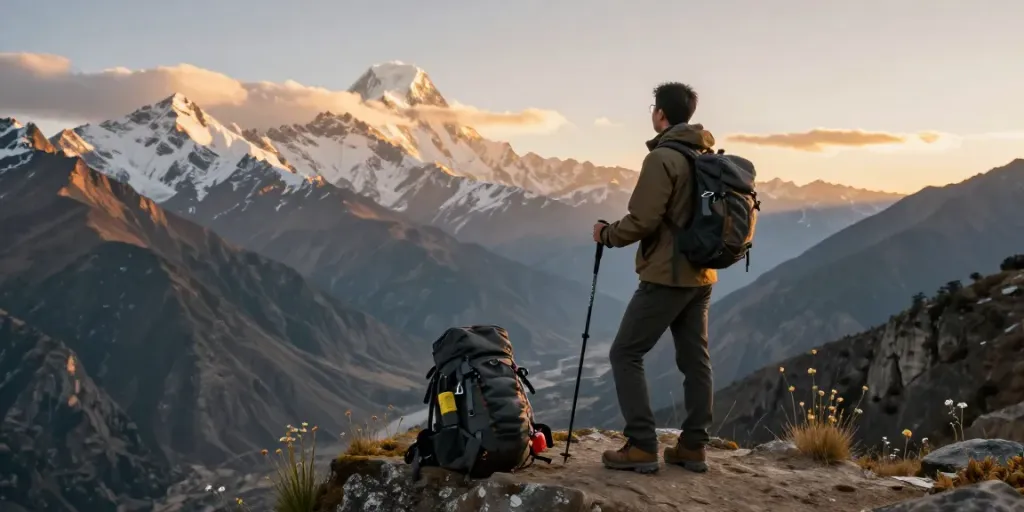
Introduction to the Manaslu Circuit Trek
Embarking on the Manaslu Circuit is an expedition that promises unparalleled beauty and rich cultural experiences. Nestled in the Gorkha region of Nepal, this trek offers trekkers a unique blend of stunning landscapes, remote Tibetan-influenced villages, and the majestic backdrop of the world's eighth-highest peak, Mount Manaslu. Spanning over 15 days, the trek covers diverse terrains, making it a captivating yet challenging adventure that appeals to trekking enthusiasts looking for both solitude and the thrill of high-altitude hiking. Whether you are a seasoned trekker or someone looking to experience the joy of trekking, the Manaslu Circuit offers something for everyone.
What Makes the Manaslu Circuit Unique?
The Manaslu Circuit is distinctive not only because of its breathtaking scenery but also due to its relatively low foot traffic compared to other popular trekking routes in Nepal. This allows trekkers to enjoy the tranquil beauty of the Himalayas without the hustle and bustle common on routes like the Everest Base Camp or Annapurna Circuit. The circuit takes you through serene landscapes dotted with ancient monasteries, terraced fields, and quaint villages, each imbued with rich cultural heritage. As you traverse this stunning trail, you will encounter warm and welcoming local communities that provide insights into their traditional lifestyles.
The Cultural Significance of the Region
The Manaslu region is rich in cultural diversity, primarily influenced by Tibetan Buddhism. Trekkers will pass through vibrant villages such as Samagaon, where traditional practices are still prevalent. The area is home to several significant religious sites, including the Pungyen Monastery and the ancient mani walls that line the trekking route. These cultural landmarks not only enhance the trekking experience but also allow trekkers to witness and engage with the local ways of life, offering a deeper understanding of the region's historical context and spiritual significance.
Overview of Trekking Challenges
While the Manaslu Circuit Trek is incredibly rewarding, it is essential to acknowledge the challenges that come with trekking in this rugged terrain. Daily treks can involve hiking for 5 to 8 hours, often over rocky paths and steep ascents. The highest point at Larkya La Pass, which stands at 5,160 meters, presents altitude-related challenges that require careful acclimatization and physical preparation. Therefore, understanding the trek's difficulty level and preparing adequately is vital for a successful adventure.
Essential Preparation for the Manaslu Circuit
Preparing for the Manaslu Circuit Trek goes beyond merely packing gear. It involves understanding your physical limits, ensuring you have the right documents, and gathering essential equipment for a safe and enjoyable experience. Here are key aspects to consider during your preparation.
Physical Fitness Requirements for the Trek
Trekkers should be in good physical condition, as the trek is classified as moderately challenging. A solid cardiovascular fitness level is crucial; thus, it is recommended to engage in aerobic activities such as running, cycling, or hiking regularly in the months leading up to your departure. Strength training can also significantly enhance your endurance when navigating steep trails. Planning for at least two months of consistent training can make a noticeable difference in your overall trekking experience.
Packing List for a Successful Journey
Your packing list will significantly influence your comfort and preparedness for the trek. Here are essential items to consider:
- Durable trekking boots with ankle support
- Warm layers including thermal base layers
- Lightweight and packable down jacket
- Waterproof and windproof shell jacket
- Good-quality trekking poles
- First aid kit and personal medications
- Hydration system or water bottles
- Sun protection gear such as hats and sunscreen
Important Documents and Permits Required
The Manaslu Circuit Trek requires several permits, including the Manaslu Conservation Area Permit (MCAP) and the Manaslu Restricted Area Permit (MRAP), among others. It is crucial to secure these permits in advance, as they are mandatory for entry into the region. It is advisable to work with a reputable trekking agency, such as Ace the Himalaya, which can assist with the permit application process, ensuring that all necessary documentation is in order prior to your trek.
Detailed Itinerary for the Manaslu Circuit Trek
The itinerary for the Manaslu Circuit Trek is designed to allow ample time for acclimatization and exploration of the stunning landscapes and rich cultural sites along the way. Below is a detailed breakdown of the 15-day trek.
Day-by-Day Breakdown of the Trek
The journey begins in Kathmandu, where trekkers get acquainted with their guides and finalize preparations. From Kathmandu, a private vehicle transports you to Machha Khola, marking the start of the trek. Below is a brief outline of the day-by-day itinerary:
- Day 1: Arrival in Kathmandu and transfer to hotel.
- Day 2: Drive from Kathmandu to Machha Khola (approximately 8-10 hours).
- Day 3: Trek from Machha Khola to Jagat (6-7 hours).
- Day 4: Trek from Jagat to Deng (6-7 hours).
- Day 5: Trek from Deng to Namrung (7-8 hours).
- Day 6: Trek from Namrung to Lho (3-4 hours).
- Day 7: Trek to Samagaon (3-4 hours).
- Day 8: Acclimatization day in Samagaon with side hikes to Birendra Lake and Manaslu Base Camp.
- Day 9: Trek from Samagaon to Samdo (3-4 hours).
- Day 10: Trek to Dharmashala (4-5 hours).
- Day 11: Trek across Larkya La Pass to Bimthang (8-9 hours).
- Day 12: Trek from Bimthang to Goa (5-6 hours).
- Day 13: Trek to Dharapani (3-4 hours).
- Day 14: Drive back to Kathmandu (10-12 hours).
- Day 15: Transfer to the international airport for departure.
Key Highlights and Attractions Along the Route
Throughout the trek, trekkers will encounter numerous highlights, including:
- The stunning views from Larkya La Pass.
- Experiencing the cultural richness of local communities.
- The serene beauty of Birendra Lake.
- Exploring ancient Buddhist monasteries.
Acclimatization and Altitude Considerations
Acclimatization is a critical aspect of the Manaslu Circuit Trek due to the rapid ascent to high altitudes. Proper acclimatization days, like the one spent in Samagaon, help prevent altitude sickness and enhance overall trekking performance. During acclimatization, trekkers can explore the area, follow short hikes, and ensure their bodies adapt effectively to the thinning air.
Costs and What’s Included in the Manaslu Trek
Budgeting for the Manaslu Circuit Trek involves understanding the costs associated with the trek, including permits, accommodations, meals, and additional expenses that may arise.
Budgeting for the Manaslu Circuit Adventure
The expected cost for the Manaslu Circuit Trek typically ranges from $1500 to $2500, depending on various factors such as trekking season, group size, and choice of trekking agency. It is essential to budget for both necessary expenses and potential additional costs for a comprehensive trekking experience.
Inclusions of the Trek Package
When you book your trek with Ace the Himalaya, the package generally includes:
- All necessary permits (RAP, MCAP, ACAP, TIMS).
- Accommodation in teahouses during the trek.
- Transportation from Kathmandu to the trek start point and back.
- Experienced trekking guides and porters.
- Meals throughout the trek.
Potential Additional Costs to Consider
While the package covers most costs, trekkers should also budget for additional expenses, such as:
- Snacks and drinks along the route.
- Hot showers and Wi-Fi charges at teahouses.
- Tipping for guides and porters, typically around 10% of the total trek cost.
- Personal gear and equipment rentals.
FAQs About the Manaslu Circuit Trek
As you prepare for your expedition, you may have several questions regarding the trek. Here are some frequently asked questions to help guide your planning.
How difficult is the Manaslu Circuit Trek?
The difficulty level of the Manaslu Circuit Trek is considered moderate to challenging. Trekkers should be prepared for steep ascents, descents, and altitude variations that may affect individual experiences. Good physical fitness and mental preparation are crucial for success on this trek.
What is the best time to embark on the trek?
Spring (March to May) and autumn (September to November) are the best seasons for trekking the Manaslu Circuit. These months offer stable weather conditions, clear skies, and stunning views of the surrounding peaks.
Is prior trekking experience necessary?
While prior trekking experience is beneficial, it is not mandatory for the Manaslu Circuit Trek. However, you should be in good physical condition and prepared for long days of hiking at high altitudes.
What kind of accommodations can I expect?
Accommodations during the trek typically consist of traditional teahouses and lodges, offering twin-sharing rooms with shared facilities. While basic, these lodgings provide essential comforts after long days of trekking.
How to stay safe during the trek?
Safety during the trek is paramount, and it is essential to follow your guide’s advice on acclimatization, hydration, and pacing. Carry a first aid kit, stay aware of altitude sickness symptoms, and maintain open communication with your trekking group.