Introduction to Australia
Australia, officially known as the Commonwealth of Australia, is a remarkable country that encompasses an entire continent, as well as numerous islands. It is known for its rich tapestry of landscapes, cultures, and experiences that offer adventure and tranquillity alike. Whether you are looking for natural wonders, vibrant city life, or diverse cultural experiences, Australia presents it all. To discover in-depth insights, visit Australia, where you can explore more about this extraordinary nation.
Geographical Overview of Australia
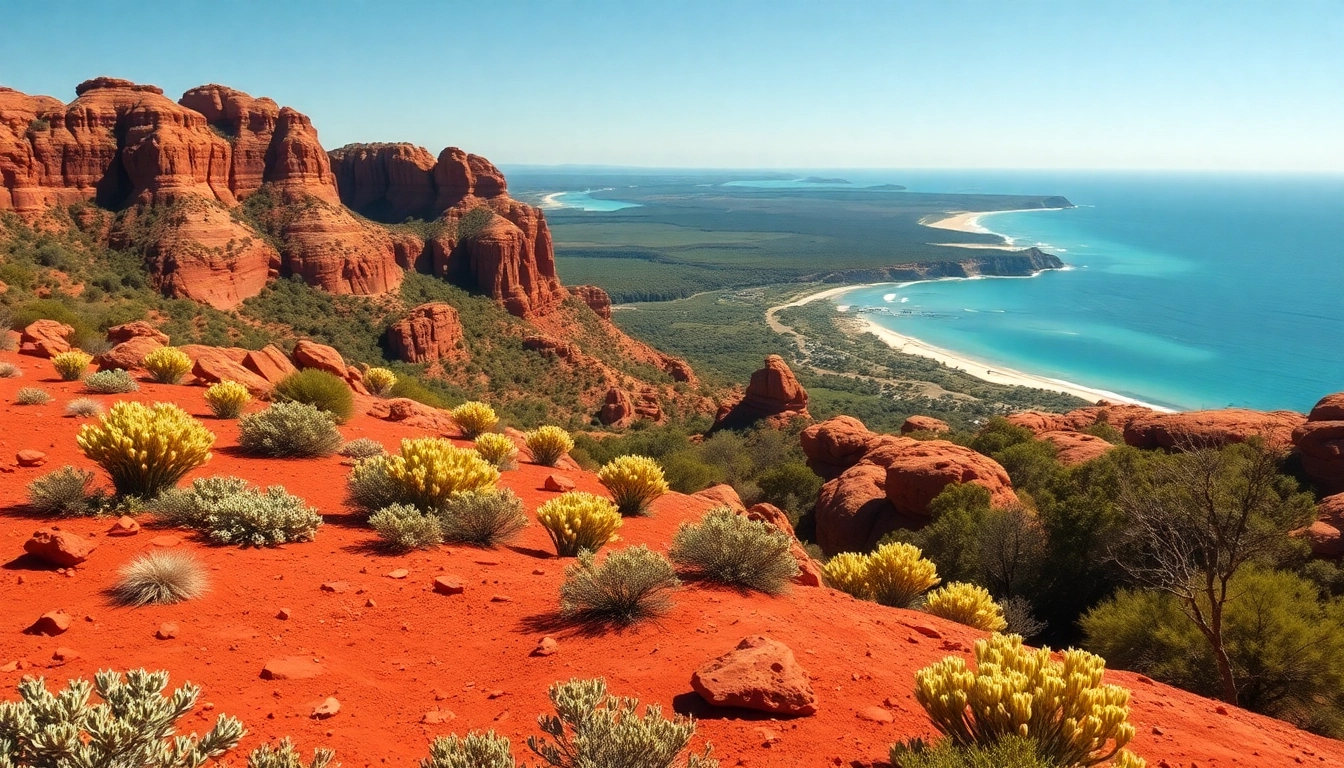
Australia is the sixth-largest country in the world by total area, covering approximately 7.692 million square kilometers. It is bounded by the Pacific Ocean to the east, the Indian Ocean to the west, and the Southern Ocean to the south. The country consists of a wide variety of geographical features, including deserts, rainforests, mountains, and coastal areas. Notably, Australia’s Outback represents a unique and sparsely populated region, characterized by rugged terrain and native flora and fauna.
Cultural Diversity and Heritage in Australia
Australia is one of the most culturally diverse nations, home to people from various ethnic backgrounds and origins. Indigenous Australians, consisting of Aboriginal and Torres Strait Islander peoples, have inhabited the land for over 65,000 years, possessing rich cultural traditions and languages. In the last decades, Australia has welcomed immigrants from all parts of the globe, creating a vibrant mosaic of cultures, languages, and traditions. This cultural diversity is celebrated through festivals, cuisine, art, and more, making Australia a true melting pot of experiences.
The Importance of Australia’s Natural Resources
Australia is blessed with an abundance of natural resources, including minerals, agriculture, and forestry. It is one of the world's leading producers of minerals such as gold, iron ore, and coal. Agriculture also plays a vital role, with the country producing a significant amount of wheat, barley, and livestock for both domestic consumption and export. Sustainable management of these resources is crucial for Australia’s economy, highlighting the need for responsible practices that ensure long-term environmental health.
Major Cities and Attractions in Australia
Discovering Sydney: City Life and Iconic Landmarks
Sydney, Australia's largest city, is renowned for its stunning harbor, iconic landmarks, and vibrant culture. The Sydney Opera House, with its unique sail-like design, is a UNESCO World Heritage site and a symbol of Australia’s architectural prowess. Visitors can also enjoy the beautiful beaches, such as Bondi and Manly, and explore the historic neighborhoods of The Rocks and Darling Harbour. The city is a hub for arts, dining, and entertainment, ensuring that visitors have a plethora of activities to enjoy.
Melbourne: Cultural Capital of Australia
Often called the cultural capital of Australia, Melbourne is famous for its rich arts scene, coffee culture, and diverse culinary offerings. The city boasts an extensive array of galleries, theaters, and music venues. The annual Melbourne International Comedy Festival and Melbourne Fringe Festival are must-visit events for enthusiasts of performance arts. Strolling through its eclectic neighborhoods, like Fitzroy and St Kilda, offers visitors a glimpse into the local lifestyle and perhaps a taste of the famous Melbourne coffee.
Natural Wonders: Great Barrier Reef and Beyond
The Great Barrier Reef is one of Australia’s most spectacular natural wonders, stretching over 2,300 kilometers along the northeast coast. As the world's largest coral reef system, it is a UNESCO World Heritage site and is home to thousands of marine species. Whether it’s snorkeling, scuba diving, or simply enjoying a scenic flight over the reef, visitors are captivated by the vibrant underwater world. In addition to the reef, Australia offers diverse landscapes such as Uluru, the Blue Mountains, and the vast outback.
Flora and Fauna Unique to Australia
Endemic Species: Plants and Animals
Australia is renowned for its unique flora and fauna, much of which is endemic to the continent. Iconic animals such as kangaroos, koalas, and emus are just a few of the native species that draw the admiration of wildlife enthusiasts. The country’s diverse ecosystems host an array of plant species, including eucalyptus trees and wattle, that have adapted to the local conditions. Many of these species are not found anywhere else in the world, underscoring Australia’s importance to global biodiversity.
Conservation Efforts in Australia
With the unique biodiversity comes the responsibility of conservation. Australia has implemented various initiatives to protect its wildlife and natural habitats. National parks and marine reserves are established to safeguard ecosystems, while programs involving community engagement and education are pivotal in promoting conservation awareness. The Government and various NGOs work tirelessly to combat threats like habitat loss and invasive species to preserve Australia’s rich natural heritage.
Climate Impact on Biodiversity in Australia
Australia's diverse climate, ranging from tropical in the north to temperate in the south, plays a significant role in shaping its ecosystems. However, climate change poses risks to this biodiversity. Rising temperatures, altered rainfall patterns, and increased frequency of droughts and bushfires threaten various species and habitats. Ongoing research and adaptive management strategies are critical to mitigate these impacts and support the resilience of Australian ecosystems.
Traveling in Australia: Tips and Recommendations
Best Times to Visit Australia
The best time to visit Australia generally depends on the region and activities one plans to engage in. For those looking to experience the Great Barrier Reef, the optimal months are typically from June to November when the weather is dry and cooler. Sydney and Melbourne shine during the Australian summer (December to February), filled with festivals and outdoor events, while the cooler months can be perfect for enjoying the beauty of the Outback.
Transportation Options Across Australia
Australia boasts a well-developed transportation network, making it relatively easy to navigate. Domestic flights connect major cities and remote areas, while train services offer scenic routes through picturesque landscapes. For a more personal experience, renting a car or campervan is popular, especially for those exploring the Great Ocean Road or the Outback. Public transport in cities, including buses, trains, and ferries, is efficient and convenient for getting around urban areas.
Essential Travel Tips for Enjoying Australia
While traveling in Australia can be a thrilling experience, it’s vital to keep several tips in mind. Always carry sunscreen and stay hydrated, especially in the sun-drenched regions. Familiarize yourself with local customs and wildlife, particularly in rural areas. Additionally, being aware of the distances between attractions, especially in remote regions, can help plan a more enjoyable and stress-free trip.
Frequently Asked Questions About Australia
What should I know before visiting Australia?
Before visiting Australia, it's essential to check visa requirements, pack for varying climate conditions, and learn about local customs. Note that Australia has strict biosecurity laws regarding food and natural products, so ensure compliance to avoid issues at customs.
What are the most popular destinations in Australia?
The most popular destinations include Sydney for its landmarks, Melbourne for arts and culture, the Great Barrier Reef for marine life, and Sydney's Blue Mountains for outdoor adventures. Each region offers unique experiences that highlight Australia's diversity.
Is Australia safe for tourists?
Australia is generally considered safe for tourists. However, it is advisable to remain aware of your surroundings, take precautions against wildlife, and follow safety guidelines at beaches and in national parks. Emergency services are accessible and efficient.
What unique wildlife can I find in Australia?
Australia is home to unique wildlife such as kangaroos, koalas, wombats, and Tasmanian devils. Additionally, the region boasts diverse bird species, like the emu and various parrots, as well as iconic marine life found in the Great Barrier Reef.
What is the best way to travel around Australia?
The best way to travel around Australia largely depends on your itinerary. Domestic flights are convenient for long distances, while car rentals and bus services are great for exploring regional and rural areas. Train journeys can also offer scenic views and a unique experience.