Understanding Containerized Water Treatment Systems
In today’s rapidly evolving world, access to clean and safe water is more vital than ever. With the challenges posed by increasing urbanization and industrial demands, innovative solutions are required to tackle water scarcity and contamination. One such advancement is the containerized water treatment system. These systems are designed for flexibility, efficiency, and rapid deployment, making them an essential solution for various applications, including municipal, industrial, and emergency scenarios. When exploring options, Water Treatment System Manufacturer QILEE specializes in creating advanced water treatment systems that address modern water challenges.
What is a Containerized Water Treatment System?
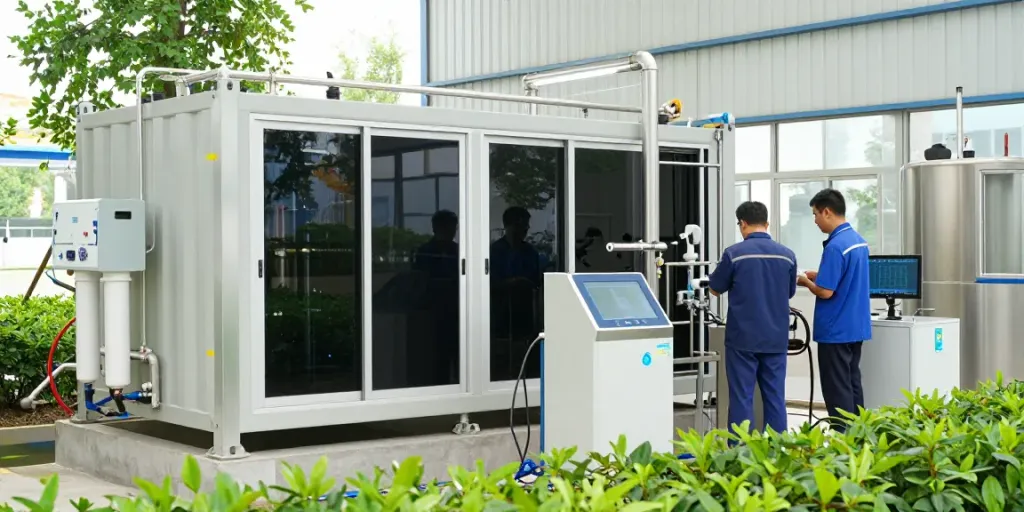
A containerized water treatment system is a compact, portable water processing unit that is pre-packaged into a shipping container. This design allows for easy transportation and installation, ideal for locations where traditional treatment plants might be unfeasible or too costly. These systems often integrate various treatment technologies, such as filtration, reverse osmosis, and disinfection processes, into a single unit, ensuring a holistic approach to water treatment.
Benefits of Using Containerized Solutions
- Rapid Deployment: These systems can be quickly transported and set up, allowing for immediate access to clean water in emergency situations or during construction projects.
- Space Efficiency: With a compact design, containerized systems can be implemented in areas with limited space, making them perfect for urban settings or remote locations.
- Flexibility: They can be tailored to various applications, from treating municipal sewage to providing potable water in rural areas.
- Cost-Effective: The modular nature of these systems can reduce overall capital expenditures while delivering high-quality results.
Key Features to Look For
When selecting a containerized water treatment system, consider the following features:
- Durability: Ensure the system is built to withstand harsh environmental conditions.
- Customizability: Look for systems that can be tailored to specific treatment requirements.
- Automation: Advanced systems may offer automated monitoring and control features for enhanced operational efficiency.
- Compliance: Verify that the system meets local and international water quality standards.
Core Applications of Water Treatment Systems
Containerized water treatment systems serve six primary application scenarios, each addressing unique challenges:
Pure & Drinking Water Treatment Methods
Ensuring the availability of safe drinking water is crucial for public health. Containerized systems can be deployed in remote communities or disaster-stricken areas to provide immediate access to clean water. Technologies such as membrane filtration and UV disinfection ensure the treated water meets safety standards.
Industrial High-Difficulty Wastewater Treatments
The industrial sector often generates complex wastewater that requires specialized treatment solutions. Containerized systems are equipped to treat high-difficulty effluents by employing advanced methods such as chemical coagulation, biological treatment, and advanced oxidation processes. This flexibility allows industries to comply with strict environmental regulations while minimizing their ecological footprint.
Emergency and Mobile Treatment Solutions
In times of crisis, such as natural disasters or industrial accidents, rapid deployment of water treatment solutions is critical. Containerized systems offer mobile treatment capabilities, allowing operators to set up quickly and provide essential services. These systems can treat contaminated water sources efficiently to help restore community sanitation and health.
Choosing the Right Water Treatment System Manufacturer
Selecting the right manufacturer for your water treatment system is a crucial decision that can impact the efficiency and reliability of your operations. Here are key considerations to keep in mind:
What to Consider When Selecting a Manufacturer
- Experience: Look for a manufacturer with a proven track record in delivering water treatment solutions across various applications.
- Technological Capability: A reputable manufacturer should offer state-of-the-art technologies that can adapt to different treatment scenarios.
- Support Services: Ensure that they provide adequate support for installation, maintenance, and troubleshooting.
Common Mistakes When Partnering with Suppliers
Many purchasers overlook critical factors when selecting a supplier. Common mistakes include:
- Focusing Solely on Price: While cost is an important factor, it should not be the only consideration. Quality and reliability should also play a significant role in your decision-making process.
- Neglecting Supplier Reputation: Check reviews and case studies to gauge the manufacturer’s performance and credibility in the industry.
- Overlooking Compliance: Make sure that the supplier adheres to regulatory standards and can prove compliance with local and international water quality regulations.
Evaluating Manufacturer Credentials and Experience
Before making a commitment, thoroughly assess the manufacturer’s credentials. Look for certifications, partnerships with recognized organizations, and evidence of successful project completions. A well-established manufacturer will often showcase their past projects and client testimonials, providing insight into their reliability and customer satisfaction.
Real-World Case Studies in Water Treatment
Understanding the practical applications of containerized water treatment systems can provide valuable insights into their effectiveness and versatility. Here are some notable examples:
Municipal Solutions: Success Stories
In several municipalities facing water scarcity, containerized systems have been deployed to treat and recycle wastewater for irrigation and industrial use. These projects have not only improved water availability but have also supported sustainable practices within the community.
Industrial Applications and Outcomes
Many manufacturing facilities have turned to containerized treatment systems to manage their wastewater more effectively. For instance, a large textile manufacturer successfully integrated a mobile containerized system to treat dye wastewater, which significantly reduced their environmental impact while achieving compliance with discharge regulations.
Emergency Response Scenarios
During natural disasters, containerized systems have been used to provide immediate water treatment solutions. For example, in the aftermath of hurricanes, rapid deployment of these systems has facilitated the restoration of drinkable water supplies in affected regions, demonstrating their critical role in emergency response efforts.
Future Trends in Water Treatment Technology
The water treatment industry is continuously evolving, driven by technological advancements and increasing environmental regulations. Here’s what to expect in the coming years:
Innovative Approaches for Sustainable Water Treatment
Future water treatment technologies will likely focus on sustainability, incorporating renewable energy sources and zero-waste processes. Innovations in nanotechnology and biotechnology may also offer new ways to purify and recycle water, enhancing efficiency and reducing costs.
Predictions for 2026 and Beyond
By 2026, it’s expected that containerized water treatment systems will become increasingly prevalent, particularly in developing regions where traditional infrastructure is lacking. The integration of smart technologies, such as IoT (Internet of Things) capabilities, will enhance monitoring and control, allowing for optimized performance and maintenance.
Impact of Regulations on Water Treatment Practices
As environmental regulations continue to tighten globally, manufacturers will need to innovate and adapt their systems to meet stricter compliance standards. This trend will drive more industries to adopt advanced treatment solutions, propelling growth in the containerized water treatment sector.