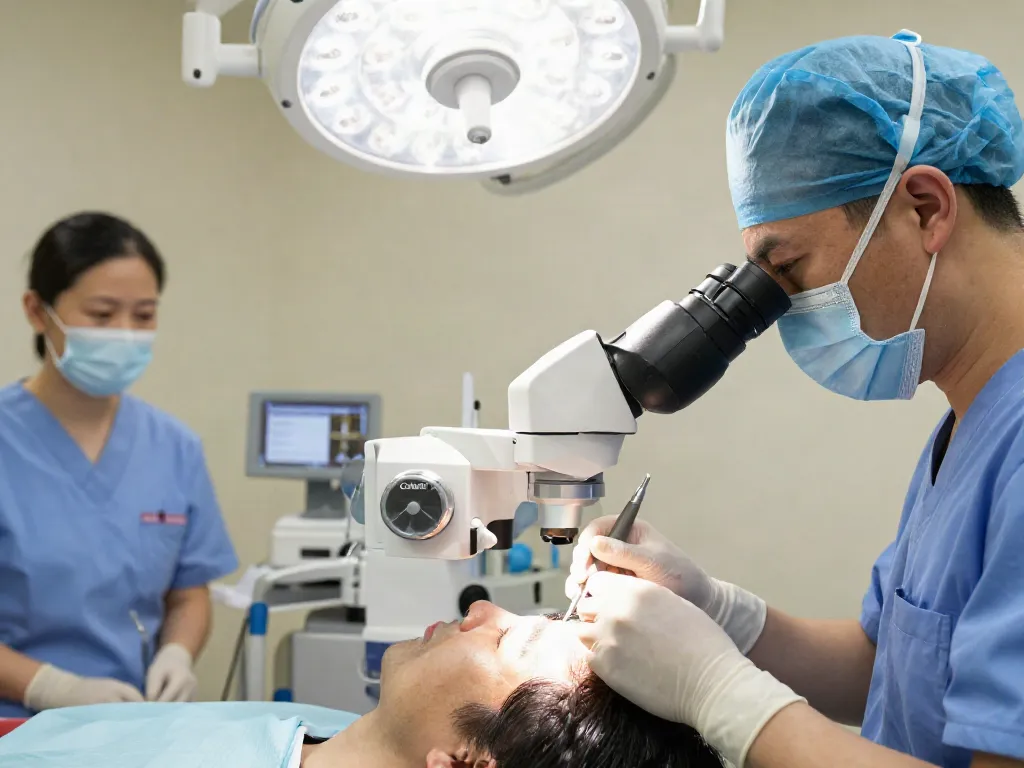
Understanding Hair Transplants
As the quest for a fuller head of hair continues to gain popularity, particularly among those experiencing hair loss, the field of hair restoration has evolved dramatically. In Malaysia, innovative techniques such as SMART™ FUE provide natural and scar-free results that are appealing to both men and women. When exploring options, Hair Transplant solutions have become a go-to choice for individuals seeking permanent solutions to thinning hair. This article will delve into the various aspects of hair transplants, the different techniques available, and what patients can expect throughout the process.
What Is a Hair Transplant?
A hair transplant is a specialized surgical procedure designed to relocate healthy hair follicles from a donor area—often the back or sides of the scalp—to thinning or bald regions. This method is particularly effective for treating genetic hair loss, where the transplanted hair retains its ability to grow even in areas that are predisposed to balding. The results are permanent, and the newly placed hair follicles integrate seamlessly with existing hair.
Types of Hair Transplant Techniques in Malaysia
In Malaysia, various hair transplant techniques are available to address individual needs, including Follicular Unit Extraction (FUE), Follicular Unit Transplantation (FUT), and Direct Hair Implantation (DHI). Each technique has unique processes and benefits, making it essential for patients to understand their options before making a decision.
Benefits of Hair Transplants
- Natural Results: Experienced surgeons ensure that the transplanted hair blends in with existing hair for a natural appearance.
- Minimally Invasive: Advanced techniques, such as FUE, require no large incisions, leading to less discomfort and faster recovery.
- Long-lasting Solution: Unlike temporary treatments, hair transplants provide permanent results, significantly improving confidence.
- Customizable: Technicians can design hairlines tailored to each patient, enhancing overall aesthetics.
Evaluating Hair Transplant Techniques
Choosing the right hair transplant technique is crucial for achieving optimal results. Various factors, including hair loss patterns, donor site availability, and size of the area needing treatment, play significant roles in this decision.
SMART™ FUE: An Advanced Method
SMART™ FUE is an innovative technique utilized at GLOJAS Specialist Clinic. It utilizes advanced technology to ensure precise extraction and placement of hair follicles. This minimally invasive method significantly reduces scarring and recovery time while enhancing the overall density of hair in treated areas. Patients who prefer shorter hairstyles benefit particularly from this technique, as it leaves behind minimal visible signs of the procedure.
FUT vs. FUE vs. DHI: Pros and Cons
Each technique has its pros and cons that must be carefully considered:
- FUE:
- FUT:
- DHI:
Choosing the Right Technique for You
The ideal hair transplant technique is highly dependent on individual circumstances, including hair type, extent of hair loss, and personal preferences. A thorough consultation with a qualified specialist is key to determining the best approach.
The Hair Transplant Process
Understanding the hair transplant process can help alleviate concerns and prepare patients for what to expect:
Consultation and Planning Phase
The journey begins with a detailed consultation to evaluate the patient's hair loss condition, discuss available techniques, and plan the procedure accordingly. This phase is crucial as it sets the groundwork for achieving optimal outcomes.
Preparation for Surgery
Once the plan is in place, patients will receive instructions on how to prepare for surgery, which may include dietary recommendations and medication adjustments. Ensuring that the scalp is healthy and free from infections is vital for a successful transplant.
Post-Procedure Care and Recovery
Recovery from a hair transplant typically involves following specific care instructions to ensure proper healing. Patients may experience mild swelling and discomfort, but these symptoms generally subside within a few days. Special attention to scalp hygiene and protecting the newly transplanted follicles is crucial for long-term success.
Hair Transplant Costs
Understanding the costs associated with hair transplants is essential for patients considering this procedure. Prices can vary significantly based on the chosen technique and the number of grafts required.
Understanding Pricing Structures
In Malaysia, hair transplant costs typically range from RM5 to RM15 per graft, with full packages priced between RM8,000 and RM30,000. This pricing structure reflects the comprehensive level of care provided, ensuring that patients receive high-quality, minimally invasive procedures.
Comparative Costs: Malaysia vs. US
Hair transplants in Malaysia are often 40-60% cheaper than equivalent procedures in the United States, making it an attractive option for international patients. The lower costs, combined with the high-quality care offered by accredited clinics, position Malaysia as a leading destination for hair restoration.
Financing Options and Insurance Coverage
While hair transplants are generally considered cosmetic procedures and may not be covered by insurance, many clinics offer financing options to assist patients in managing costs. It is advisable to inquire about flexible payment plans during the consultation.
Addressing Common Concerns
As with any medical procedure, patients often have concerns that need to be addressed prior to undergoing a hair transplant. This section tackles some of these common inquiries.
Who Is a Good Candidate for Hair Transplants?
Good candidates for hair transplants are typically individuals experiencing male or female pattern baldness or other forms of hair loss that do not respond to medical treatments. Those with sufficient donor hair supply are also ideal candidates, while individuals with specific scalp conditions may require alternative treatments.
Potential Risks and Side Effects
While hair transplants are generally safe, potential risks include infection, scarring, and dissatisfaction with results. Being informed of these risks during the consultation can help set realistic expectations.
Long-Term Results and Maintenance
Hair transplants offer permanent results, but patients must maintain their overall hair health for best results. This may include following a post-procedure care regimen, as well as considering additional treatments such as PRP (Platelet-Rich Plasma) therapy to support hair growth.
What Causes Hair Loss?
Understanding the causes of hair loss is crucial in assessing treatment options. Factors such as genetics, hormonal changes, medical conditions, and environmental influences can all contribute to hair thinning. Identifying these factors helps in tailoring the right solution.