Understanding Why Your Garage Door Gets Stuck
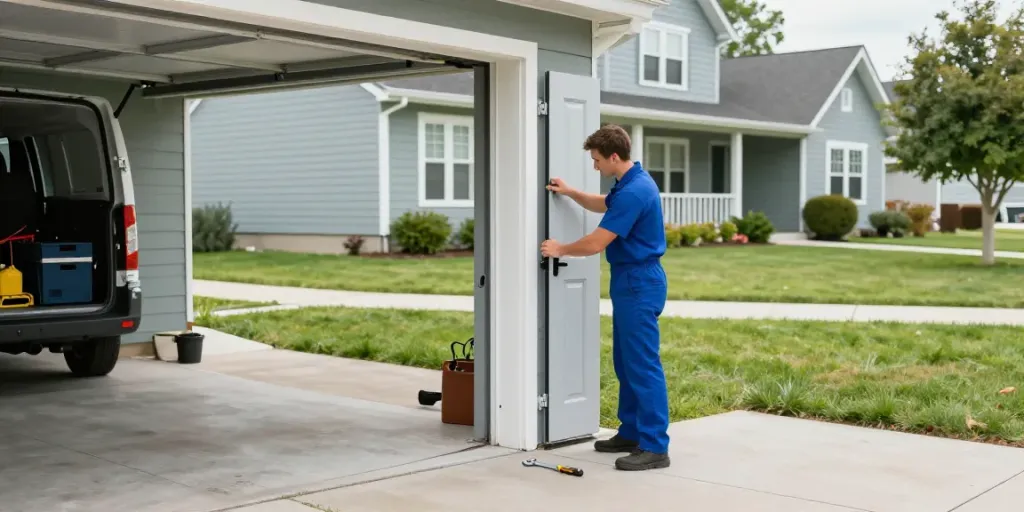
Garage doors play a crucial role in the security and accessibility of our homes. However, like any mechanical system, they can encounter issues that leave them stuck and, at times, frustratingly unresponsive. When homeowners face a garage door stuck situation, understanding the underlying causes can not only help in troubleshooting but also prevent future problems. In this article, we will delve deep into the common reasons garage doors become stuck, how to identify the symptoms, and the safety precautions that should be taken before attempting any repairs.
Common Causes of a Garage Door Stuck
Garage doors can become stuck due to a variety of reasons, most of which can be categorized into mechanical failures and external factors. Here are some of the most common causes:
- Obstructions: Small debris, leaves, or even a child's toy can obstruct the garage door's path, preventing it from moving smoothly.
- Misaligned Tracks: Over time, the metal tracks that guide the door may become misaligned, causing the door to get stuck as it tries to move.
- Broken Springs: The springs that lift the door can wear out or break, which is a frequent cause of garage doors becoming stuck.
- Faulty Garage Door Opener: Issues with the opener motor can prevent the door from responding to commands, leaving it stuck in position.
- Frozen Components: In cold climates, moisture can freeze within the door's components, causing them to stick and not function properly.
Identifying Symptoms of a Stuck Garage Door
Recognizing the symptoms of a stuck garage door is key to diagnosing the issue efficiently. Here are a few signs that your garage door may be stuck:
- The door stops moving abruptly while closing or opening.
- Unusual noises, such as grinding or clattering, occur when the door is in operation.
- The door moves only partway before becoming stuck.
- Visible gaps or misalignment in the door's fit within the garage entrance.
Safety Precautions to Take When Your Garage Door is Stuck
When dealing with a stuck garage door, safety should be your first priority. Here are some precautions to consider:
- Do Not Force the Door: Avoid attempting to manually lift or pull the door if it’s stuck; this could cause further damage or injury.
- Disconnect Power: Before doing any troubleshooting, unplug the garage door opener to ensure it doesn’t activate while you’re inspecting the door.
- Avoid Obstacles: Ensure the area around the garage door is clear of any obstructions to prevent accidents.
Quick Fixes for a Garage Door Stuck
In many cases, you can apply some quick fixes to address a garage door that is stuck. However, knowing when to call for professional help is equally important.
DIY Troubleshooting Techniques
If you find your garage door stuck, here are some steps you can attempt before calling a technician:
- Inspect for Obstructions: Check the tracks for any visible debris or objects that may be blocking the door's path and remove them.
- Check the Tracks: Inspect the tracks for misalignment. If you notice any, gently tap them back into place with a rubber mallet.
- Lubricate Moving Parts: Apply silicone or lithium-based lubricant to the rollers and tracks to ensure smooth operation.
When to Call a Professional for Repairs
If the DIY troubleshooting techniques do not resolve the issue, it may be time to call a professional. Look for these indicators:
- Multiple symptoms occurring simultaneously.
- Unusual noises that could indicate serious mechanical failures.
- An inability to identify the cause of the problem after basic troubleshooting.
Essential Tools and Parts to Keep Handy
Having the right tools and parts available can make the difference between a quick fix and a bothersome delay. Consider keeping these on hand:
- Garage door lubricant
- Socket wrench set
- Rubber mallet
- Replacement springs or cables (if compatible with your door)
Preventative Measures Against Garage Door Stuck Issues
Preventing future garage door issues is much simpler than fixing them once they arise. Here are some effective strategies to keep your garage door functioning smoothly.
Regular Maintenance Tips
Regular maintenance is essential to prevent a stuck garage door. Follow these tips:
- Inspect the door and its components at least once a month.
- Lubricate moving parts every six months.
- Check the safety sensors and ensure they are aligned correctly.
Best Practices for Seasonal Care
Weather can impact your garage door's functionality. Here are some best practices for seasonal care:
- In winter, check for frozen components and clean snow and ice from the tracks.
- During summer, inspect for wear and tear due to heat exposure and humidity.
Upgrading Garage Door Components for Longevity
Consider upgrading to high-quality components if your garage door frequently has issues. Options like heavy-duty springs and smoother track systems can enhance durability and reduce the likelihood of getting stuck.
Emergency Situations with a Garage Door Stuck
Sometimes, you may find yourself in an emergency situation with a stuck garage door. Knowing how to handle it can save you time and stress.
Steps to Take When Trapped Inside
If your car is trapped inside due to a stuck garage door, follow these steps:
- Do not attempt to force the door open.
- Look for a manual release cord to disengage the door from the opener.
- If necessary, contact a professional immediately to avoid damage or injury.
How to Manually Release Your Garage Door
Knowing how to manually release your garage door can be helpful:
- Locate the emergency release cord, usually hanging from the opener’s motor.
- Pull the cord down to disconnect the door from the opener.
- Manually lift the door to the desired position.
When You Need Emergency Help and What to Expect
If you find yourself unable to resolve the situation, don’t hesitate to seek emergency help. Expect the following:
- Quick response times from local repair services.
- A thorough assessment of the problem once the technician arrives.
- Transparent pricing before any work is done.
Future-Proofing Your Garage Door Solutions
As technology advances, so do garage door solutions. Staying informed about trends and developments can help you future-proof your garage door.
Trends in Garage Door Technology for 2026 and Beyond
Expect to see advancements in areas such as:
- Smart home integration, allowing remote control and monitoring via apps.
- Enhanced security features, including cameras, alarms, and automatic locking mechanisms.
Smart Home Integration Options for Garage Doors
Integrating your garage door with smart home technology can enhance convenience. Options include:
- Remote access through smartphones to open and close the door.
- Motion sensors that can alert you when the door is opened or closed.
Consulting Experts on Advanced Repairs and Upgrades
When considering upgrades or complex repairs, consulting experts can be beneficial:
- They can assess the condition of your current door and suggest suitable improvements.
- Experts can provide insights on the latest technologies and how they can be integrated.
What to Do if You Feel Unsure?
If you ever feel unsure about your garage door’s condition, don’t hesitate to reach out to a professional. They can provide a comprehensive inspection and diagnosis.
How to Overcome Common Misconceptions?
Often, misunderstandings surround garage door repairs. For instance, many believe they can fix a stuck door without professional help. It is important to understand the potential risks involved in DIY repairs.
Should I Repair or Replace My Garage Door?
Deciding between repair and replacement can be challenging. Consider the following:
- The age of your garage door: older doors might require more frequent repairs.
- The extent of damage: if multiple components are failing, a replacement may be more cost-effective.