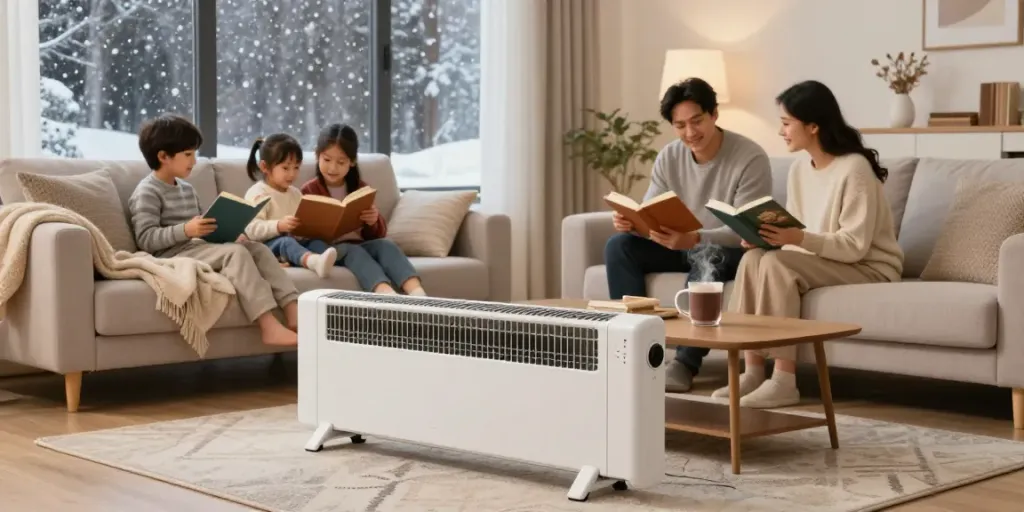
Understanding Convector Heaters
If you're looking to keep your space warm and cozy during the chilly months, an electric convector heater can be a valuable addition to your home heating options. These appliances operate on the principle of natural convection, efficiently warming the air in your living space. But before making a purchase, it's crucial to understand how they work, their benefits, and what to consider when selecting the right one for your needs. When exploring options, convector heater provides comprehensive insights into the types available and how they function.
What is a convector heater?
A convector heater is an electric device designed to heat air through natural convection. Cold air is drawn into the heater from the bottom through ventilated openings. Inside the unit, it passes over an electrical heating element—often aluminum fins—that warms the air, which then rises and circulates throughout the room. This method of heating ensures that the room warms evenly without creating forced drafts or stirring up dust.
How do electric convector heaters work?
Electric convector heaters are designed to harness the principles of convection. When cold air enters the unit, it is heated by an internal element. As the air warms, it expands and becomes less dense, rising through the top grill of the heater. This process creates a continuous cycle of air movement that warms the room gradually. Most modern units are equipped with a built-in thermostat that regulates the temperature, ensuring that the room remains at a comfortable level without excessive energy consumption.
Benefits of using a convector heater over other types
- Energy Efficiency: Convector heaters operate with nearly 100% efficiency at the point of use, directly converting electrical energy into heat.
- Design Flexibility: Available in both wall-mounted and freestanding models, they offer versatile placement options based on your heating needs.
- Instant Heating: Convector heaters provide quick warmth, making them ideal for spaces that require immediate heating.
- Minimal Noise: The natural convection process is generally quieter than fan-based heating systems, making them suitable for bedrooms or offices.
Choosing the Right Convector Heater
Selecting the appropriate convector heater requires considering several factors, including the size of the space you need to heat, the heater's wattage, and specific features that may enhance your experience. Here, we delve into what you should keep in mind when making your choice.
Factors to consider when selecting a convector heater
- Room Size: Determine the square footage of the room to select a heater with the appropriate wattage. The general rule of thumb is to have around 100 watts per square meter for effective heating.
- Wattage: Higher wattage means more heat output, but it’s essential to match the wattage to your room’s requirements to avoid wasting energy.
- Features: Consider whether you want additional features such as programmable timers, Wi-Fi connectivity, or energy-saving mode, which can help you manage energy consumption more effectively.
Wall-mounted vs. freestanding models: Pros and cons
Choosing between wall-mounted and freestanding heaters depends largely on your space and heating needs:
- Wall-mounted: These heaters save floor space and are ideal for small rooms. They are perfect for areas where you want a permanent heating solution.
- Freestanding: These models offer flexibility and portability, allowing you to move them to different rooms as needed. They're ideal for renters or occasional use.
Recommended wattage for different room sizes
Choosing the right wattage is crucial for effectively heating your space without wasting energy. Here’s a quick guide:
- Small Room (up to 10 m²): 800-1000 watts
- Medium Room (10-20 m²): 1000-1500 watts
- Large Room (20-30 m²): 1500-2500 watts
Installation and Setup Guidelines
Once you've selected a convector heater, it's essential to follow proper installation and setup procedures to ensure safety and efficiency.
Steps for installing a wall-mounted convector heater
- Choose a location that provides easy access to a power source and avoids covering vents.
- Use a level to mark the position on the wall where you will install the heater.
- Drill holes, insert anchors, and mount the heater securely.
- Connect it to the power supply as per the manufacturer's instructions.
Best practices for placing a freestanding convector heater
- Place the heater on a flat, stable surface away from furniture and draperies.
- Ensure a clearance of at least 50 cm from any flammable materials.
- Position it near cold areas such as windows or outside walls to intercept cold drafts.
Electrical safety precautions to follow
Safety is paramount when using electrical appliances. Here are important precautions:
- Always plug the heater directly into a wall socket—avoid using extension cords.
- Check the wattage to ensure that your electrical circuit can handle the load.
- Keep the heater free from obstructions and avoid covering it with clothing or towels.
Maximizing Efficiency and Performance
To get the most out of your convector heater, consider adopting practices that maximize its efficiency and effectiveness.
How to operate convector heaters economically
Operating your convector heater economically involves understanding its features and your usage patterns. Regularly using the thermostat to maintain a steady, comfortable temperature can prevent unnecessary energy consumption. Additionally, utilizing programmable settings can further enhance efficiency.
Understanding thermostat settings for energy savings
Setting your thermostat to a lower temperature when you're away or during the night can significantly reduce energy bills. Ideally, aim for a temperature range of 18°C to 21°C for comfortable living while keeping costs manageable.
Using smart features effectively
With many modern convector heaters equipped with smart technology, you can control your heater remotely, set schedules, and monitor energy usage. This added convenience helps ensure that you're not heating spaces unnecessarily while you're away.
Maintenance and Troubleshooting
Regular maintenance is essential for ensuring the longevity and performance of your convector heater. Here are some tips to consider.
Common issues with convector heaters and how to fix them
- Heater won't turn on: Check the power supply and inspect for tripped circuit breakers.
- Inconsistent heating: Ensure that vents are not blocked and that the thermostat is functioning correctly.
- Unpleasant odors: Dust accumulation can cause odors. Regularly clean your heater according to the manufacturer's guidelines.
Regular maintenance tips for longevity
- Dust and vacuum the heater regularly to avoid buildup that could affect performance.
- Inspect wiring and electrical connections for damage or wear.
- Store the heater properly during off-seasons by keeping it in a dry location.
When to seek professional help for heater problems
If you encounter persistent issues that you cannot resolve, it’s advisable to consult a professional technician. This is especially important for electrical problems or if the heater is not functioning efficiently, as it may pose safety risks.
Can a convector heater heat an entire house?
While a convector heater can provide efficient heating for individual rooms, it may not be practical as the sole heating source for an entire home. However, in smaller, well-insulated spaces, they can be effective in providing significant warmth without needing to operate a central heating system.
Safety tips for using convector heaters
- Never cover the heater while it is in operation.
- Maintain clearances to prevent fire hazards.
- Follow manufacturer guidelines for installation and usage.