Understanding the ISO 13937 Tear Testing Machine
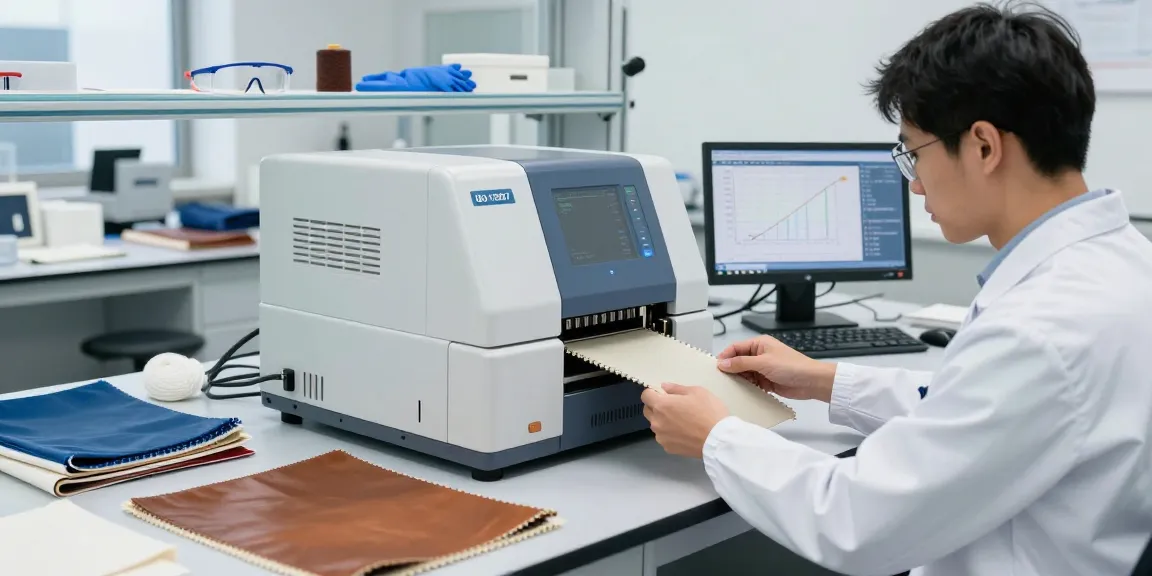
The ISO 13937 tear testing machine is a crucial device used in the textile and materials testing industries to evaluate the tear resistance of various materials. This standard ensures that manufacturers adhere to consistent testing protocols, which is vital for maintaining product quality and reliability. When exploring options, ISO 13937 tear testing machine offers comprehensive insights into fabric durability, making it indispensable for textile engineers and quality control professionals alike.
What Is the ISO 13937 Standard?
The ISO 13937 standard pertains to the testing of the tearing characteristics of woven fabrics. This international standard outlines the necessary procedures and requirements for assessing the resistance of fabrics to tearing, which is essential for ensuring quality in textiles used in various applications, from apparel to industrial uses.
Developed by the International Organization for Standardization (ISO), this standard specifies the test methods, apparatus, and conditions under which the fabric is evaluated. The tests typically involve applying a force to a fabric until it tears, and the results help in understanding the material’s performance under stress.
Key Features of the ISO 13937 Tear Testing Machine
ISO 13937 tear testing machines are equipped with several key features that enhance their effectiveness and usability:
- Precision Control: These machines utilize advanced load cells and actuators that provide accurate tension measurements and consistent pull rates.
- User-Friendly Interface: Many modern machines come with intuitive software that simplifies data collection and analysis, allowing for easy operation.
- Safety Mechanisms: Built-in safety features protect both the user and the equipment from overload and mechanical failure.
- Multiple Testing Configurations: Depending on the fabric type, machines can be configured to perform different types of tear tests, including single tear and multiple tear tests.
Importance of Accurate Tear Testing in Textiles
Accurate tear testing is critical in the textile industry for a myriad of reasons:
- Quality Assurance: Ensuring that fabrics can withstand tearing helps manufacturers maintain product quality and customer satisfaction.
- Material Selection: Understanding the tear strength of fabrics aids in selecting suitable materials for specific applications, such as safety gear or sportswear.
- Regulatory Compliance: Many industries require compliance with international standards, making accurate testing essential for market access.
- Cost Efficiency: Testing prevents material waste by identifying weak fabrics before they reach production.
Operational Mechanics of ISO 13937 Testing Machines
The operational mechanics of ISO 13937 testing machines are sophisticated yet user-friendly. These machines are designed to ensure that fabric samples are tested under controlled and repeatable conditions, yielding reliable results.
How the Tear Testing Process Works
The process begins with preparing a fabric sample by cutting it into a specified dimension, as per the ISO 13937 standard guidelines. The sample is then clamped securely in the machine's grips. During the test, an increasing force is applied until the fabric tears. The machine records the maximum force exerted prior to tearing, along with the elongation data, which helps in assessing the material’s toughness.
Calibration and Setup for Optimal Results
Calibration of an ISO 13937 tear testing machine is fundamental for ensuring accurate results. This involves:
- Force Calibration: Adjusting the machine's load cells to ensure that the force measurement is accurate.
- Displacement Calibration: Verifying that the displacement readings are correct, ensuring that elongation measurements are precise.
- Environmental Setup: Conducting tests under controlled temperature and humidity conditions to minimize external influences on the fabric.
Common Testing Parameters and Protocols
Testing parameters typically include:
- Test speed (mm/min)
- Clamp types and dimensions
- Fabric sample width and length
- Environmental conditions during testing
Applications and Industry Relevance
ISO 13937 tear testing machines have extensive applications across various industries, reflecting their importance in material testing.
Industries Utilizing ISO 13937 Tear Testing Machines
Key industries that benefit from these testing machines include:
- Textile Manufacturing: To assess the quality of fabrics used in clothing and upholstery.
- Automotive Industry: For testing materials used in car interiors and seat fabrics.
- Outdoor Gear Production: In evaluating the durability of fabrics used in tents, jackets, and backpacks.
- Aerospace: For testing materials subject to extreme conditions and stresses.
Case Studies: Successful Implementations
Several companies have successfully implemented ISO 13937 testing machines to enhance their product quality:
- Sportswear Manufacturer: A notable company used tear testing to refine their materials, resulting in a 30% increase in customer satisfaction due to improved durability.
- Automotive Supplier: By integrating tear testing in their quality assurance process, they reduced warranty claims related to interior fabric failures by 40%.
Measuring Performance: Metrics and Analysis
Performance metrics from tear testing can include:
- Average tear strength values
- Comparison of results across different fabric types
- Trend analysis over time to identify quality deviations
Challenges in Tear Testing and Solutions
While ISO 13937 tear testing machines are essential, practitioners often face challenges that can affect their testing outcomes.
Common Obstacles Faced by Practitioners
Some common obstacles include:
- Inconsistent sample preparation, leading to variable results.
- The complexity of calibration processes and maintenance of testing machines.
- Environmental factors that can alter fabric performance unexpectedly.
Best Practices for Effective Tear Testing
To improve the reliability of tear testing, practitioners should follow best practices, such as:
- Consistently preparing samples according to ISO guidelines.
- Regularly calibrating equipment and maintaining testing conditions.
- Employing proper data analysis techniques to interpret results accurately.
The Role of Technology in Enhancing Accuracy
Technological advancements, such as automated testing systems and sophisticated software analytics, have made it easier to achieve accurate and reliable tear testing results. These technologies can help mitigate human error and improve the consistency of test outcomes.
Future Innovations and Trends for 2026
As the textile industry evolves, so too will the technologies associated with tear testing. Here are some anticipated innovations:
Emerging Technologies in Fabric Testing
New innovations will likely include:
- AI-Powered Solutions: Algorithms that predict fabric performance based on material properties and historical data.
- Enhanced Automation: Fully automated tear testing systems that reduce manual intervention and enhance efficiency.
Predicted Enhancements for ISO 13937 Machines
Future machines may feature:
- Real-Time Data Analysis: Integration of machine learning to provide immediate feedback and guidance on material performance.
- Smart Connectivity: IoT capabilities that allow machines to gather, analyze, and share data seamlessly.
Training and Skills for the Future of Testing
As technology advances, training programs will need to adapt to equip personnel with the necessary skills to operate sophisticated testing equipment effectively. Companies should invest in continuous education to keep pace with these changes.
What are the key benefits of using the ISO 13937 tear testing machine?
The key benefits include improved quality control, enhanced product durability, and compliance with international textile standards, contributing to overall customer satisfaction and brand reliability.
How do I calibrate an ISO 13937 tear testing machine?
Calibration typically involves adjusting the machine's load cells, verifying the measurement of displacement, and ensuring consistent environmental conditions for accurate testing outcomes.
What materials can be tested with an ISO 13937 machine?
The ISO 13937 machine is suitable for testing various woven and non-woven fabrics, including textiles used in clothing, upholstery, and industrial applications.
How can results from ISO 13937 testing impact product development?
Testing results can guide material selection, influence design decisions, and drive innovation in textile applications, ultimately enhancing product efficacy and market competitiveness.
What are the future trends in textile testing technologies?
Expect advancements in automation, AI integration for predictive analytics, and enhanced user interfaces to facilitate more efficient and accurate testing processes in the textile industry.